Redefining the First Encounter with Electrical Sensation
When couples consider bringing something as unfamiliar as electrical stimulation into their intimate lives, the initial reaction often blends intrigue with a healthy dose of nervousness. Questions naturally surface: Will it hurt? Will one partner enjoy it more than the other? Can we stay connected throughout the process? These are not signs of reluctance but of care—a desire to protect the bond while venturing into new territory. The good news is that countless pairs have navigated these same waters and emerged with a stronger sense of partnership, not in spite of the technology, but because of how they approached it.
The real anchor in these experiences is rarely the gear itself. It is the quality of the dialogue between two people and the pace at which they choose to move. When trust forms the foundation and communication flows freely, those first pulses, buzzes, or tingles can shift from intimidating unknowns into shared discoveries. This article unpacks practical insights drawn from real-world reflections, offering a roadmap for any couple ready to explore with attentiveness, patience, and mutual care.
The Gentle Shock: Why First Impressions Often Surprise
One of the biggest hurdles for newcomers is the mental image they carry into the room. Popular culture and casual chatter frequently paint e-stim as a sudden, jolting shock—something to brace against. That expectation alone can create enough tension to undermine the experience before it begins. In practice, however, the reality at low settings tells a different story. Many first-timers describe the initial contact as a faint, fizzy shimmer across the skin, more reminiscent of a soft effervescence than any kind of sharp impact.
This mild introduction serves a crucial purpose. It gives the nervous system a chance to register the sensation without triggering a defensive response. One partner might pause and ask, almost with disbelief, "Is this really all there is?" That moment of questioning becomes valuable in itself. It shifts the focus from enduring an imagined intensity to simply noticing what is actually happening. The body and mind begin to learn the vocabulary of this new feeling on their own terms, without pressure to process too much at once.
Beginning at the faintest level also redefines the entire event. Instead of a test of nerve or endurance, the opening session turns into an act of gathering insight. Partners who take this perspective often realize they can remain more present together. The focus stays on shared ease and wonder, rather than on chasing a summit neither is prepared to reach. This unhurried introduction sets the stage for all that comes next, demonstrating that softness is not a weakness but a wise approach.
Mapping the Landscape: Tingling, Buzzing, and Pulsing as Distinct Languages
Once the initial unfamiliarity fades, the various patterns of stimulation begin to show themselves as distinct journeys, each carrying its own personality. Grasping these differences turns hazy responses into accurate feedback, which is vital for cooperative discovery.
Tingling: The Surface Whisper
Tingling tends to live near the surface of the skin. It feels light, almost ticklish, and is easy to track with focused attention. For many, this mode is the most approachable starting point because it lacks the depth that can sometimes feel overwhelming. It invites relaxation and sustained noticing rather than a reactive response. Partners who linger here often discover that extended periods of gentle tingling build a unique kind of awareness, turning the skin into a canvas of subtle sensation.
Buzzing: The Deeper Vibration
A buzzing quality travels beneath the skin, producing a vibrating feeling that seems to rise from deep within the tissue rather than sitting on the surface. This characteristic can feel more immersive and is often depicted as a low drone that radiates through the contact zone. Because it taps into a different sensory layer, some individuals find it more engaging, while others may require more time to acclimate. The essential point is recognizing that buzzing isn't merely a heightened form of tingling—it's an entirely distinct experience, warranting its own careful assessment.
Pulsing: The Rhythmic Wave
Pulsing introduces a rhythmic element that neither tingling nor buzzing fully captures. It creates a pattern of tightening and releasing, almost like a gentle, involuntary muscular response. This mode can be particularly engaging because it adds a temporal dimension—the body anticipates the next pulse, creating a dynamic interplay between expectation and sensation. Observing how this rhythm interacts with breathing and relaxation can turn the experience into a shared meditation on bodily response.
Voicing these traits aloud—'That's turning more into a buzz now' or 'The pulse has slowed compared to before'—provides both people with a common vocabulary. Rather than depending on hazy words like 'more' or 'less,' the exchange turns detailed and practical. This clarity also simplifies recognizing when a setting slides outside the enjoyable range. A change that feels unpleasant is often easier to spot when you can name the shift in quality, enabling swift corrections without any doubt.
The Art of Finding Your Intensity Together
Intensity is possibly the most misread element in sensory play. The cultural narrative often suggests that stronger is superior, that testing boundaries is the aim. Partners who have tracked their experiences steadily note the reverse. Starting at the bottom setting and raising it only in minute steps, with regular pauses to connect, unveils that bigger numbers don't necessarily mean richer pleasure. Indeed, gentler levels can yield more substantial experiences because both individuals can stay loose rather than bracing against the flow.
Good communication here is ongoing and anchored in the present. One person might express, 'This level still feels fine to me,' or 'That recent bump was more intense than I thought it would be.' The other hears and responds right away, altering the path rather than sticking to a rigid script. This exchange removes any need to grit one's teeth and constructs a collective understanding of what suits that specific body on that specific day. Responsiveness can vary with mood, excitement, fluid intake, and even hormonal shifts, so a level that was perfect last week might hit differently now. Handling intensity as a fluid, ongoing dialogue keeps both people connected and sidesteps the frequent pitfall of one person quietly longing for the session to conclude.
This idea easily carries over into more fluid relationship setups where additional partners might participate. Clear, active verbal communication stays the most courteous and secure method to guarantee everyone remains inside their safe zone while still opening doors to fresh findings. The aim isn't to hit some outside mark of force but to nurture an atmosphere where each individual feels confident to voice their needs and be acknowledged right away.
Placement and Pad Size: The Overlooked Variables
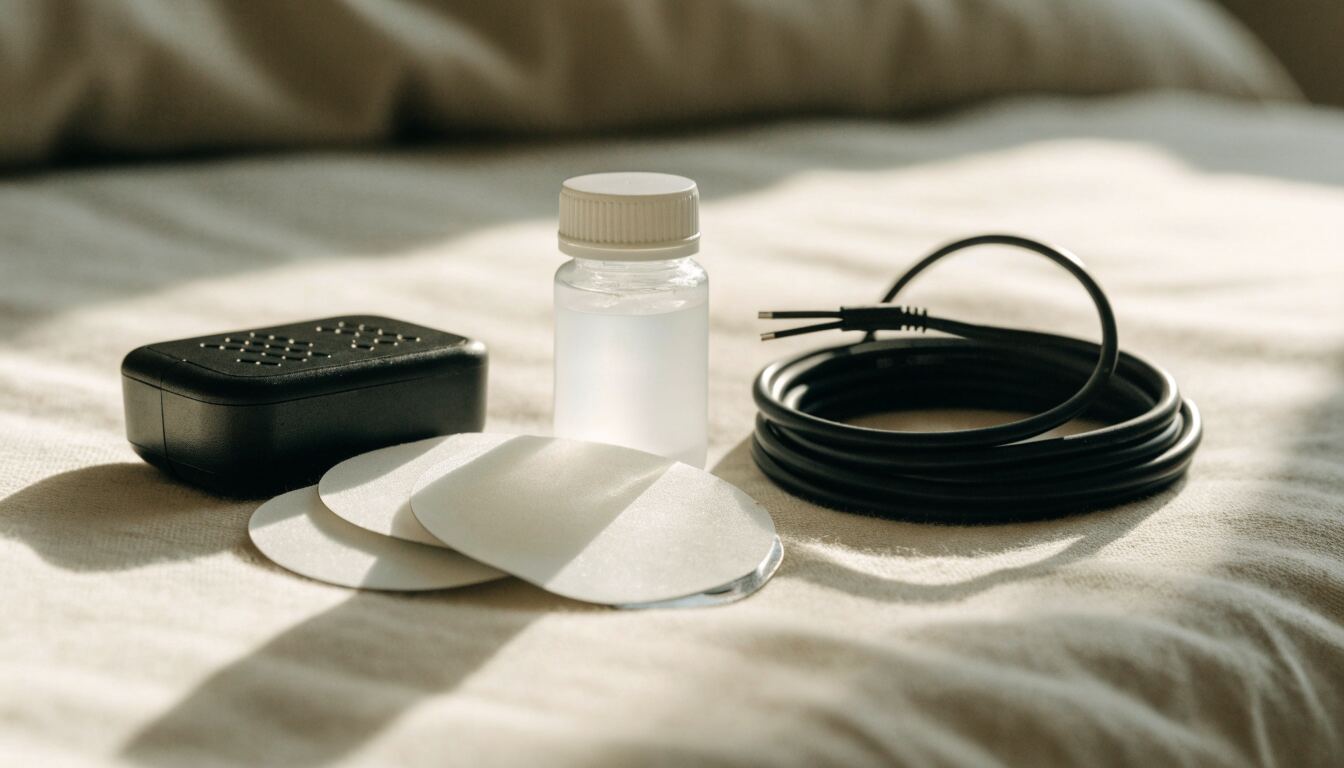
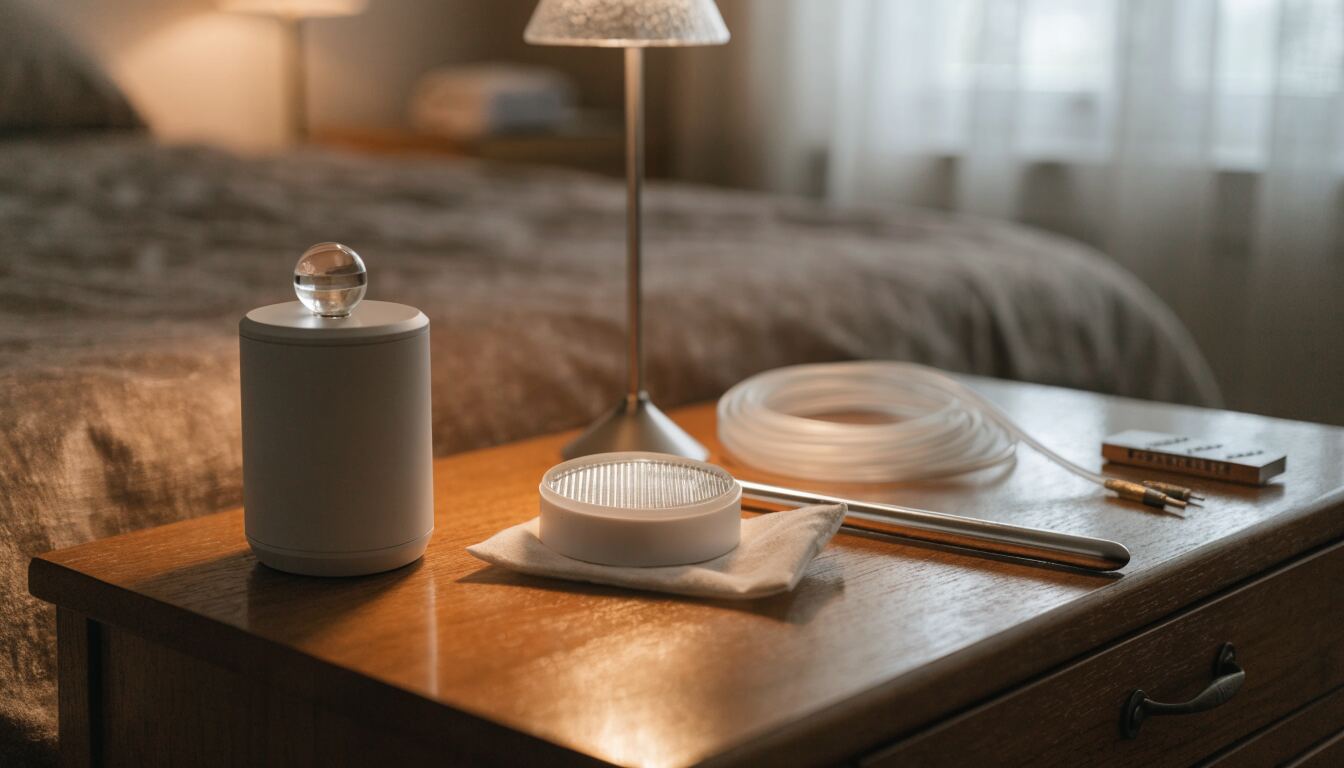
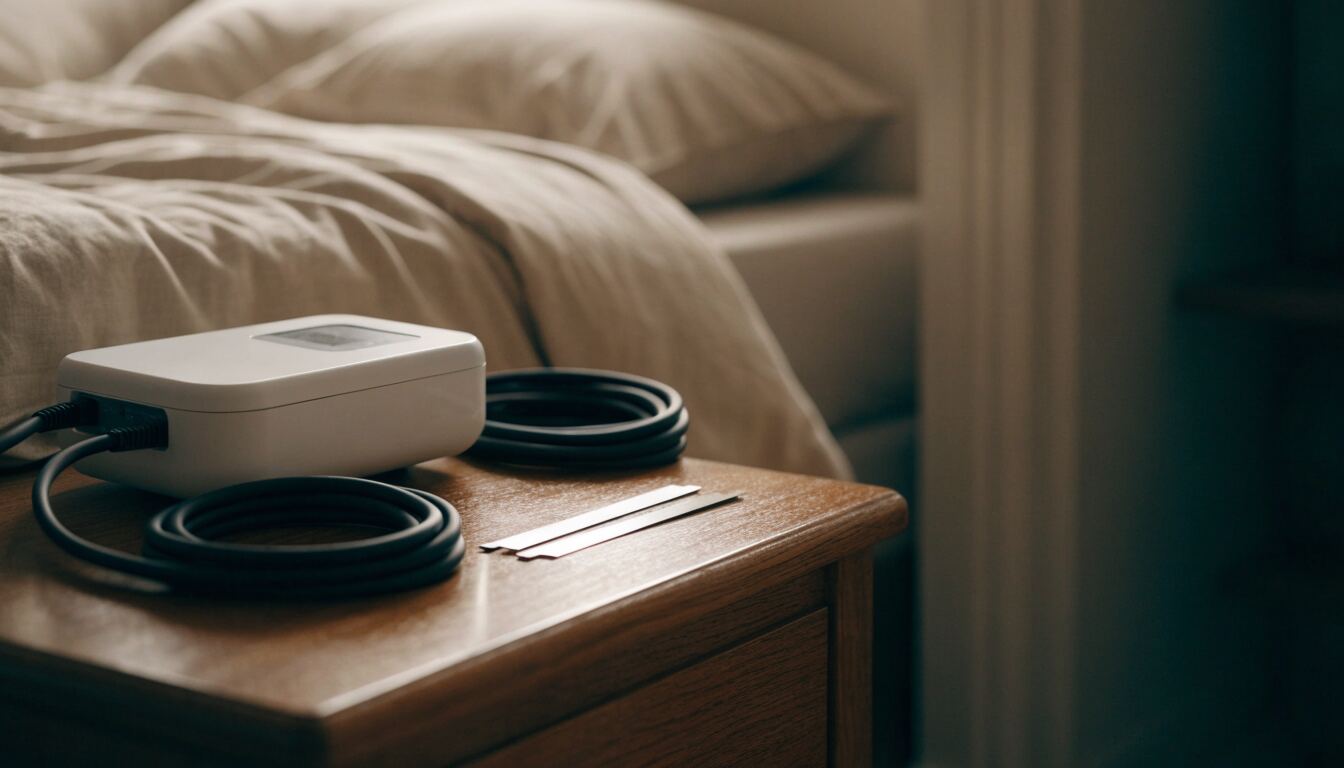
When individuals first handle e-stim gear, the control box often captures their focus. The knobs, the switches, the readouts—these appear to be the main instruments of change. In truth, slight modifications in electrode placement can reshape the whole encounter, even when the numerical setting stays identical. Shifting a pad by a mere centimeter can reroute the feeling, altering how it spreads, concentrates, and feels overall.
Starting with Safer Zones
A hands-on method involves starting on less reactive areas, like the upper thighs or the meaty section of the upper arm. These zones let both people understand how the body carries the signal without the sharpness that more sensitive spots can create. This early-stage exploration turns the practice into a kind of physical self-knowledge. Some areas spread the sensation widely, generating a gentle wave of feeling, while others focus it into a more pinpointed spot. Uncovering these variations as a team is both informative and deeply connecting.
The Role of Electrode Size
The dimensions of an electrode are another detail that's frequently missed. A smaller contact point tends to deliver a more concentrated, sharper effect, whereas a broader pad spreads the current over a larger surface, resulting in a gentler, more distributed sensation. People often mistakenly believe that a stinging experience simply means they need to acclimate to e-stim. Often, swapping to a wider electrode or shifting its location has a bigger impact than simply dialing the power up or down. Experimentation is part of the learning curve, but it doesn't need to feel hazardous. When both individuals agree that either can call for a break or an adjustment at any second, the testing stays lighthearted instead of stressful.
Trust as the Invisible Framework
Skills and tools are important, but they come after the relational framework that holds the whole experience. Feelings can transform in an instant when a knob is turned or a pad is adjusted. The certainty that a partner will pause or adapt the second anything feels off lifts a layer of subtle worry that can otherwise tint the entire encounter. Setting up a plain, upfront agreement beforehand—that either person can end the activity without owing a reason or explanation at that moment—builds a safety structure that, counterintuitively, allows for more adventurous exploration.
Having the liberty to stop removes any feeling of compulsion. No one feels stuck just because the session began. The openness to try different approaches grows because the way out is always accessible. Trust in this context isn't just a theory; it's shown in real time through attentiveness, a lack of coercion, and a mutual understanding that ease always matters more than any target. In any close setting, whether a pair or a wider group, this kind of clear safety framework enables richer experiences by keeping the spotlight on shared enjoyment rather than achievement or stamina.
Following a session, many individuals observe that regular touch feels more pronounced. The concentrated attention developed during e-stim extends into daily sensation. A simple palm on the shoulder or a light graze of fingertips can register with surprising sharpness. This enduring alertness is one of the subtler rewards of the practice—not the peak intensity achieved, but the uncovering of perceptions that were previously overlooked.
Navigating Nervous Curiosity: Practical Guidance
For anyone who feels both drawn to e-stim and a flutter of apprehension, the most helpful guidance is wonderfully straightforward: don't frame this as something to be stoically tolerated. That misunderstanding alone can twist a potentially delightful activity into a trial. Instead, treat it like a joint experiment. Get acquainted with the device at its lowest outputs. Give close attention to where and how large the pads are. Communicate with clarity and regularity.
When a sensation turns unpleasant or tips into pain, see it as helpful feedback rather than an obstacle to overcome. More fulfilling experiences arise from discovering the settings and placements that actually feel good, not from chasing some outside standard of dramatic intensity. Starting softly, remaining inquisitive, and always leaving the option to pause creates the environment where trust flourishes and pleasure develops naturally.
Partners who embrace this mindset often discover that their early sessions reveal as much about each other as they do about the gear. They learn the art of checking in, truly hearing one another, and making real-time tweaks. These abilities translate effortlessly into other dimensions of closeness and any future shared adventures they might pursue. The journey becomes less focused on any particular feeling and more centered on the depth of the bond that contains it.
Practical Steps for Your First Session
Putting these principles into action does not require elaborate preparation. A few straightforward guidelines can set the stage for a positive experience:
- Begin from nothing. Launch every encounter at the lowest possible level and only raise it after both individuals have had a chance to register and talk about the current feeling. There's no need to hurry.
- Create a stop signal. Decide ahead of time that either person can halt or pause instantly without having to explain why. A single word or motion is plenty.
- Focus on positioning. View electrode location and pad dimensions as key factors. Tiny shifts frequently have more impact than big jumps in power. Try on less tender spots initially.
- Be precise with words. Identify the traits you notice—prickly, vibrating, throbbing—so your input stays clear and helpful. Steer clear of fuzzy language that can cause confusion.
- Settle into subtlety. Choose ease over force. Many discover enduring enjoyment at intensities they first considered too faint. Allow your body to lead the way.
- Touch base regularly. Keep your check-ins brief and effortless. A fast 'Still comfortable?' or 'Need a shift?' maintains presence and connection without disrupting the flow.
- Observe the lingering glow. Once the session wraps up, notice if everyday touch seems different. That extended sensitivity is frequently part of the lasting benefit.
- Reinterpret unease. If a sensation feels wrong, modify it or stop. Discomfort is data, not a dare. Absorb the lesson and modify your approach.
Building a Foundation for Ongoing Exploration
Exploring e-stim doesn't demand extraordinary bravery or tolerance for discomfort. It calls for the same foundations that nourish any healthy intimate journey: honest dialogue, real trust, and a commitment to moving at the speed of the more hesitant person. When those pieces are present, the initial soft tingles can expand into a broader spectrum of sensations that feel intriguing, bonding, and richly satisfying.
The most enduring lessons shared by those who've taken this journey come not from pursuing extreme intensities but from pausing, truly listening, and releasing the notion that stronger automatically means better. These very practices of mindfulness and consideration benefit couples whether they're exploring privately or inviting others into their dynamic. The capacity to inquire, observe, and adapt in the moment is universally valuable for any form of partnered intimacy.
If you're curious about exploring e-stim, begin the way many successful newcomers do—with the most gentle setting, honest dialogue, and a clear understanding that anyone can call a halt at any moment. Allow the sensations to guide your experience instead of forcing them into expectations about how intense it should feel. The insights that come next are frequently subtler and more intimate than anticipated, and they often strengthen the connection between partners over time. No matter where your interest takes you next, the core principle stays unchanged: mutual care, continuous communication, and permission to venture only as far as both of you genuinely wish to go.
The Ripple Effect of Shared Sensory Discovery
Beyond the immediate experience, couples often report that the practice of slow, communicative exploration spills over into other areas of their relationship. The habit of checking in, of naming sensations without judgment, of prioritizing comfort over performance—these become ingrained patterns that enrich all forms of touch and connection. The technology becomes less a focal point and more a catalyst for a deeper way of being together.
This ripple effect is perhaps the most compelling reason to approach e-stim with patience and care. The goal is not to master a device but to cultivate a shared language of sensation that can adapt to any context. Whether you continue with electrical play or move on to other interests, the skills you build together—listening, responding, trusting—will remain long after the equipment is put away. In that sense, the journey into e-stim is really a journey into each other, with all the gentleness and attention that such a journey deserves.