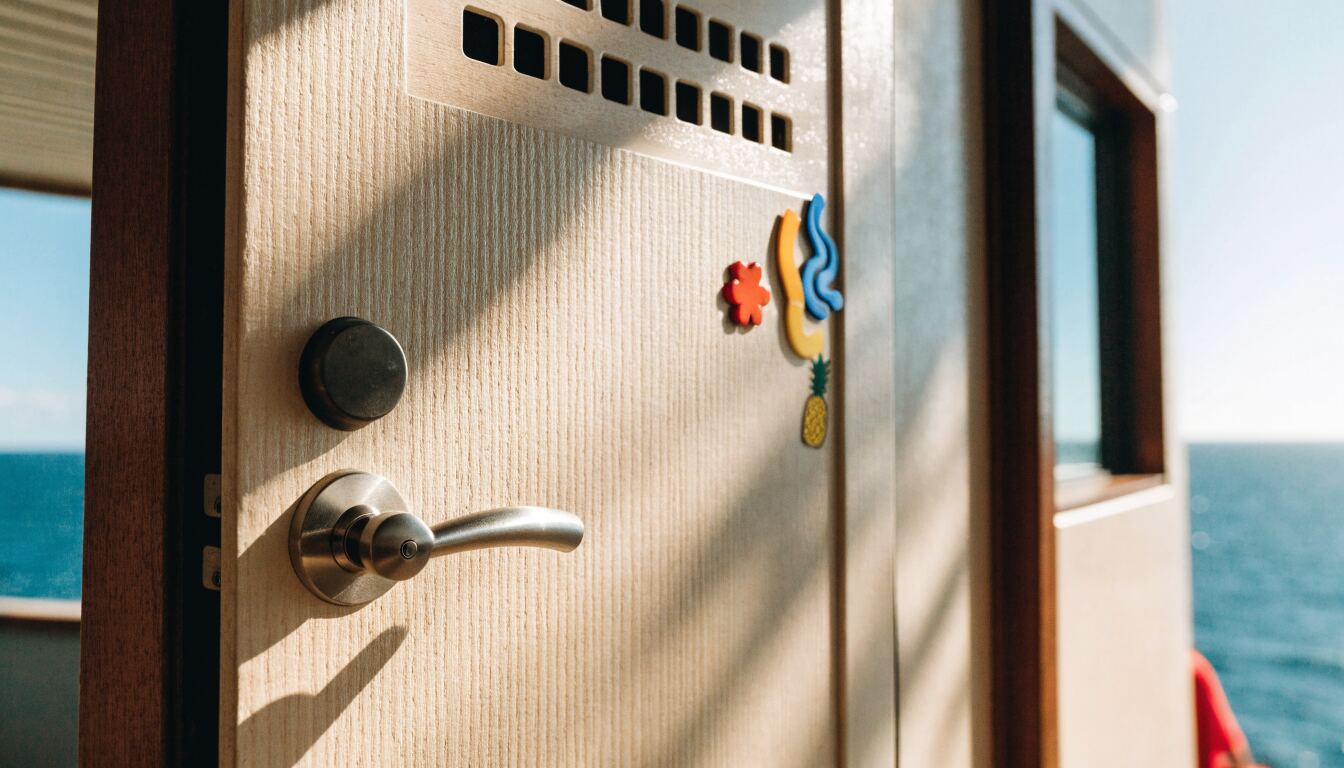
Introduction to Vacation Symbols and Their Hidden Conversations
Picture yourself lounging by the pool on a week-long cruise, the sun warm on your skin, when you notice something peculiar. A door decoration catches your eye—a pineapple, but turned on its head. It might seem like a whimsical design choice, yet for a section of travelers, it communicates something entirely different. This isn't just about quirky decor; it's about a quiet language used among adults seeking specific connections. Our journey here is to unpack this phenomenon, focusing on cruise ships and resorts where these subtle codes thrive. We'll explore why such symbols appear, how they're used, and what they mean for the uninitiated. By understanding these unspoken social layers, you can navigate these floating communities with greater ease and awareness.
nThe Upside-Down Pineapple as a Discreet Identifier
nWhen you're away from daily routines, especially in adult-focused resorts or on the open sea, symbols can take on new weight. The inverted pineapple stands out as one of the most recognizable of these quiet signals. It functions much like a private handshake, but with a piece of fruit. For couples within the swinging community, this emblem offers a way to spot kindred spirits without broadcasting their interests to everyone onboard. The beauty of it lies in its ordinariness; to the majority of passengers, it's just harmless tropical flair. This duality is precisely what makes it so effective in environments where anonymity is cherished. It transforms a common object into a beacon for those who understand its alternative meaning, blending seamlessly into the vacation atmosphere while carrying a private invitation.
nFrom Welcoming Gesture to Coded Invitation
nHistorically, the pineapple carries a rich legacy of hospitality. In centuries past, these spiky fruits were rare luxury items, displayed to signal wealth and a generous welcome to guests. Over time, though, this meaning has evolved within specific social circles. The upside-down version repurposes that original sense of openness for a more intimate context. It's a creative twist—taking a symbol of general welcome and turning it into a cue for a particular type of social exploration. This shift reflects how communities adapt everyday icons to meet their communication needs, creating a dual-layered message. For those aware of the code, it's an immediate indicator of shared interests, while for everyone else, it remains a charming piece of nautical decor. The transformation underscores the human tendency to create private languages within public spaces.
nWhy These Signs Work So Well on Ships
nCruise ships present a uniqu social laboratory. You have thousands of strangers in a confined area for a set number of days, all there to unwind. This combination creates fertile ground for discreet signaling. The temporary nature of the voyage means people often feel freer to explore different facets of themselves, away from the eyes of their regular communities. A symbol like the inverted pineapple thrives here because it's subtle enough not to alarm other vacationers, yet clear to those who are looking for it. It allows for a private conversation in a crowd, turning the entire ship into a landscape of potential connections. The shared goal of relaxation and the contained setting make it a perfect stage for these unspoken interactions to play out.
nThe Unique Social Ecosystem of a Cruise
nA cruise vessel is more than just a mode of transport; it's a floating microcosm with its own social rules. People board with diverse agendas, and this mixing of objectives gives rise to creative forms of communication. Beyond the scheduled entertainment and dining, a parallel layer of social networking exists, often using visual shorthand. The inverted pineapple is a standout example, but it represents a broader trend of using objects and placements to navigate social opportunities. Understanding this ecosystem helps explain why such a simple thing can carry so much weight.
nThe Power of Anonymity at Sea
nOne of the strongest appeals of a cruise is the break it provides from familiar surroundings and social pressures. You are unmoored from your job, neighborhood, and daily expectations. This sense of disconnection can be liberating, encouraging people to be more adventurous. For individuals interested in lifestyle connections, this anonymity is a major draw. They can express a part of themselves they might keep private at home, confident that the people they meet are unlikely to cross their path again. This creates a safe bubble where discreet signals, like a flipped fruit on a door, become a low-risk way to initiate contact. The feeling of being a temporary resident in a floating city lowers inhibitions and opens doors to new social experiences.
nA Contained World for Finding Like-Minded People
nThink about the logistics: on a large ship, you'll repeatedly see the same faces at the pool, in the buffet line, or during evening shows. This repetition builds a sense of community, even among strangers. For those using lifestyle symbols, this containment is a huge advantage. It's far easier to spot and be spotted by others using the same cues than it would be in a sprawling city. The shared vacation vibe adds another layer, creating an unspoken camaraderie. A subtle pineapple sticker on a luggage tag or a charm on a bracelet becomes a conversation starter for those who recognize it, turning chance encounters into deliberate connections. The ship becomes a curated space where social exploration feels both exciting and manageable.
nHow Online Communities Fuel Onboard Connections
nModern cruise planning often starts long before the departure date. Specialized travel groups and online forums have made it possible for people with specific interests to coordinate their vacations. There are vibrant digital spaces dedicated to sharing tips about adult-oriented travel, including which cruise lines are most accommodating. In these forums, participants discuss everything from cabin door decorations to the best bars for mingling. They actively promote and decode symbols like the upside-down pineapple, ensuring that members arrive onboard already equipped with the shared knowledge. This pre-voyage organization means that when passengers embark, they are often stepping into a ready-made, albeit discreet, community. The internet has fundamentally changed how these signals spread, turning organic symbols into organized tools for social networking at sea.
nWhen Signals Get Crossed: Unintended Messages
nNot every pineapple you see is a secret code, and that's where things can get tricky. The dual meaning of this fruit sets the stage for a variety of awkward and confusing situations. A family decorating their cabin door for a birthday, a person wearing a favorite tropical shirt, or someone who simply adores the fruit's aesthetic can unknowingly send a signal they never intended. This collision of innocence and insider knowledge is a frequent source of funny, and sometimes uncomfortable, stories on the high seas.
nInnocent Decor, Surprising Reactions
nImagine you've put together a cheerful collage of fruit stickers for your stateroom door. You place a pineapple upside down because it fits the space better, thinking nothing of it. Later, you start receiving knowing smiles from passing couples or are approached with forward, puzzling questions. This is a classic scenario of an unintended signal. The people initiating contact aren't trying to be rude; they're operating under the assumption that your decor is a deliberate invitation. For the uninitiated, however, it can feel invasive or deeply confusing. A simple love of tropical-themed decorations can lead to interactions that range from mildly odd to genuinely awkward, turning a relaxing vacation into a social puzzle you didn't sign up for.
nThe Importance of Contextual Awareness
nThis entire phenomenon underscores the importance of environmental awareness. On a cruise, you share space with a vast array of people with differing norms and intentions. A symbol that's meaningless to you might be a specific, targeted message for someone else. This isn't about encouraging suspicion, but about fostering understanding. Recognizing that these hidden languages exist helps prevent misinterpretations and allows everyone to coexist more comfortably. It's a reminder to be mindful of the visual statements you might be making, and to not jump to conclusions when you see something unusual. A little cultural literacy goes a long way in ensuring your interactions are as intended, and that you respect the private signals of others without accidentally stumbling into their conversation.
nPracticing Mindful Etiquette in a Floating Community
nNavigating the social world of a cruise ship requires a blend of openness and respect for unspoken boundaries. Just as you'd learn a few phrases in a foreign language before visiting a country, understanding the visual slang of a cruise can enhance your experience. The goal is to foster a welcoming atmosphere where everyone can enjoy their vacation on their own terms, whether they're part of a niche community or not.
nObserving and Respecting Unspoken Boundaries
nA cruise ship is a shared home for the duration of the voyage, and like any home, it has its codes of conduct. When you encounter a symbol you know to be a lifestyle signal, the most respectful action is often to simply acknowledge it privately and move on. It is not a public invitation for commentary or interrogation. Think of it as accidentally overhearing a private conversation; the polite thing to do is to not listen in. Respecting personal space and the choices of others is the bedrock of a harmonious journey. If a decoration isn't meant for you, treating it as invisible is the best way to honor the privacy the symbol is designed to provide.
nPreventing Confusion for Fellow Travelers
nFor those who enjoy playful door decorations or tropical fashion, a little pre-trip research can prevent a world of confusion. Understanding that an upside-down pineapple carries a specific meaning can help you decide how to use it. If you love the look but want to avoid any misunderstandings, you might choose to display it right-side up, or in a context that clearly reads as familial fun. For families or first-time cruisers, knowing this piece of trivia can explain strange looks or interactions. It's about being a savvy traveler who understands that symbols can be layered, and that what you intend to communicate might not be what is received. A moment of consideration can spare you from becoming an accidental participant in a social dynamic you have no interest in.
nCreating an Inclusive Atmosphere for Every Guest
nAt its heart, a cruise line aims to provide a fantastic escape for all its passengers. This means being considerate of the diverse ways people choose to relax and connect. Whether it involves following the dinner dress code or understanding discreet visual cues, mindfulness is key. By being aware of these nuances, you contribute to a positive environment where lifestyle participants can subtly connect and where families can enjoy their vacation without unexpected awkwardness. It's a balancing act of expression and discretion. The most memorable cruises are often those where every guest, regardless of their reason for being there, feels their chosen way of vacationing is respected and unjudged.
nThe Historical Journey of a Fruitful Symbol
nThe story of how a tropical fruit became a secret handshake is a fascinating study in the evolution of symbols. Its meaning didn't change overnight; it was a gradual process shaped by history, social dynamics, and the simple human need for belonging. Tracing this path helps us appreciate how ordinary things can acquire extraordinary significance.
nRoots in Wealth and a Warm Welcome
nCenturies ago, the pineapple was not a casual supermarket purchase. It was an exotic, expensive treet that signified immense wealth and status. A host who could present a pineapple at a gathering was demonstrating not just their resources, but a profound sense of generosity. The fruit became the ultimate emblem of hospitality, a visual promise of a warm, extravagant welcome. This foundational meaning—of being special, invited, and included—is the very root from which its modern, coded meaning grew. The symbolism of openness and reception was deeply planted long before it was ever turned on its head.
nThe Symbol's Adoption by Niche Communities
nSymbols are not static; they migrate through culture and get reshaped by the groups that adopt them. As pineapples became more accessible and their association with elite wealth faded, their meaning became more malleable. Certain social circles began to see new potential in the fruit's welcoming connotations. The swinger community, in particular, recognized a perfect vessel for a discreet signal. By simply inverting the pineapple, they kept the core idea of a warm invitation but redirected it toward a specific type of social and romantic connection. It was a brilliant act of repurposing—a way to honor the original hospitality while creating a private emblem of shared lifestyle interests.
nFrom Colonial Centerpiece to a Quiet Invitation
nThe journey from a status symbol in colonial homes to a coded signal on a modern cruise ship is a testament to context. The contained, anonymous, and fun-seeking environment of a cruise became the ideal place for this repurposed symbol to flourish. The upside-down pineapple is a perfect example of a visual shorthand that speaks volumes to an informed audience. It's no longer just about tropical decor; for those in the know, it's a quiet, intriguing invitation. It helps identify others who share a particular interest, turning a common fruit into a tool for connection. This evolution shows how a symbol's power lies not in the object itself, but in the shared understanding of the people who use it, a secret language written in everyday items.
nHow to Spot and Interpret the Signal
nAs you stroll the decks of a cruise ship or wander through a resort, you'll likely see pineapple motifs everywhere. They adorn shirts, bags, hats, and cabin doors. Most are just festive decorations. But a small number, turned upside down, are carrying a different message. Learning to recognize and interpret these instances is about understanding context and subtlety.
nDecoding Placements on Doors and Luggage
nThe most common place you'll encounter an intentional signal is on a stateroom door. This might be a small vinyl sticker, a magnet, or even a homemade decoration. It's usually not the main feature, but a subtle detail within a larger display. Similarly, pay attention to luggage tags or bag charms that feature an inverted pineapple. These serve as a quiet announcement of presence and availability. A traveler using these signals is often looking to connect with others who understand the code. It's a way of saying, I'm here, and I'm open to meeting like-minded people, without a single spoken word. The placement is key—a pineapple on a generic ship-sponsored sign is just decor, but one personally added to a private space is more likely a deliberate message.
nSubtle Clues in Personal Attire and Accessories
nBeyond fixed decorations, keep an eye on what people are wearing. A t-shirt with a small, inverted pineapple graphic, a delicate necklace, or a pair of earrings can all serve the same function. These personal items are often chosen to express an identity and signal openness in a more mobile way. Someone wearing such jewelry or clothing is carrying their signal with them to the pool, the bar, or the dance floor. It's a more personal and open form of the code, indicating a comfort level with the lifestyle. If you spot such an accessory, it's a strong clue that the person is not just a casual wearer of tropical prints, but is intentionally communicating within a specific social context.
nContext is Everything: Reading the Setting
nInterpreting these signals correctly depends entirely on context. A pineapple on a cocktail menu is just about a delicious drink. A pineapple, turned upside down, on the door of a couple's cabin in an adults-only section of the ship is a different matter entirely. You have to read the environment. Is the ship known for catering to a diverse adult crowd? Is the symbol isolated, or part of a known pattern? The meaning is not in the fruit alone, but in its orientation, placement, and the surrounding social atmosphere. It's akin to learning a new dialect where the meaning of a word changes based on the sentence it's in. By observing these details, you can navigate the space with a clearer understanding of the unspoken dialogues happening around you.
nConclusion: The Unspoken Language of Leisure
nThe upside-down pineapple serves as a captivating example of how human beings create and use symbols to find community. What began as a universal sign of welcome has been cleverly adopted and adapted to serve a more private purpose within the unique environment of a cruise ship or resort. It highlights the layers of social interaction that exist just beneath the surface of a typical vacation, where a piece of fruit can become a key to a hidden social world. For most travelers, it will remain a charming curiosity or a simple decoration. But for others, it's a vital part of how they connect and communicate.
nThis whole dynamic is a powerful reminder of the importance of awareness and respect in shared spaces. By understanding that these codes exist, we can avoid awkward misunderstandings and appreciate the diverse ways people seek to enjoy their leisure time. Whether you are actively looking for these signals or simply want to ensure your own tropical decor is innocent, a little knowledge is a powerful tool. Ultimately, a successful cruise or resort experience is built on a foundation of mutual respect, where everyone can relax and be themselves, quietly understanding that not all conversations are spoken aloud.
Frequently Asked Questions
What exactly does the upside-down pineapple signify on cruise ships?
Out on the open ocean, an inverted pineapple serves as a discreet beacon among adults who embrace alternative relationship styles, particularly those in the swinging community. This subtle emblem acts like a quiet handshake, allowing individuals to spot kindred spirits without broadcasting their preferences to the entire ship. Since not every passenger is clued into this visual code, it remains an effective, low-key method for fostering connections in a setting that blends social adventure with personal privacy.
What motivates people to adopt this particular symbol?
The appeal lies in its gentle ambiguity. A cruise environment naturally encourages meeting new faces, yet many guests still value a layer of discretion. By placing an upside-down pineapple on a door, a piece of jewelry, or a beach bag, a person can signal curiosity about unconventional adult dynamics without saying a word. This approach sidesteps awkward conversations and lets interested parties engage on their own terms, preserving a sense of ease and mutual respect among all travelers.
Is it possible to use the symbol by mistake?
Absolutely, and it happens more often than you might think. If you have a fondness for tropical decor and decide to stick an upside-down pineapple sticker on your luggage or hang a similar motif outside your stateroom, veteran cruisers familiar with the hidden meaning could misinterpret your intent. This doesn't mean you should avoid pineapples altogether—just be mindful that the orientation can carry an unintended message. Should someone misread your decoration, a lighthearted explanation that you simply enjoy the aesthetic is usually enough to clear things up.
How should I react if I encounter this symbol or receive unexpected attention?
Stumbling upon an inverted pineapple doesn't require any action from you. It is merely a signal used by a specific social circle, not a universal invitation or a cause for alarm. If, however, a fellow passenger approaches you after spotting the symbol on your belongings—and you had no intention of conveying that message—remain courteous and friendly. A quick, honest remark like "I just love the fun, tropical vibe" typically resolves any confusion while keeping the atmosphere pleasant for everyone involved.
Are there other secret signs besides the upside-down pineapple?
While the pineapple has gained the most recognition, various subtle cues can emerge within different groups aboard a cruise. Think of a ship as a floating microcosm, where diverse communities naturally develop their own quiet languages—whether through specific accessories, color choices, or gestures. Nevertheless, the inverted pineapple remains the standout symbol most commonly linked to the swinger lifestyle in popular discussion, overshadowing other less conspicuous markers.
Where on a cruise might I spot this symbol?
The upside-down pineapple can appear in several creative locations. Passengers often affix small decals to cabin doors, incorporate them into personalized luggage tags, or wear them on clothing and accessories like necklaces or bracelets. Some even weave the motif into the room decorations they bring from home, placing it near a porthole or on a balcony table. The key is visibility to those in the know, balanced with a subtlety that doesn't draw undue notice from casual observers.
Conclusion
Navigating the social waters of a cruise or resort becomes smoother once you understand the quiet language of symbols like the upside-down pineapple. Whether you encounter it by chance, adorn your space with it intentionally, or simply want to avoid accidental signals, awareness is your best compass. This emblem highlights how communities create inventive ways to connect while respecting boundaries—a reminder that travel often brings together a colorful tapestry of lifestyles, all sharing the same sun and sea.