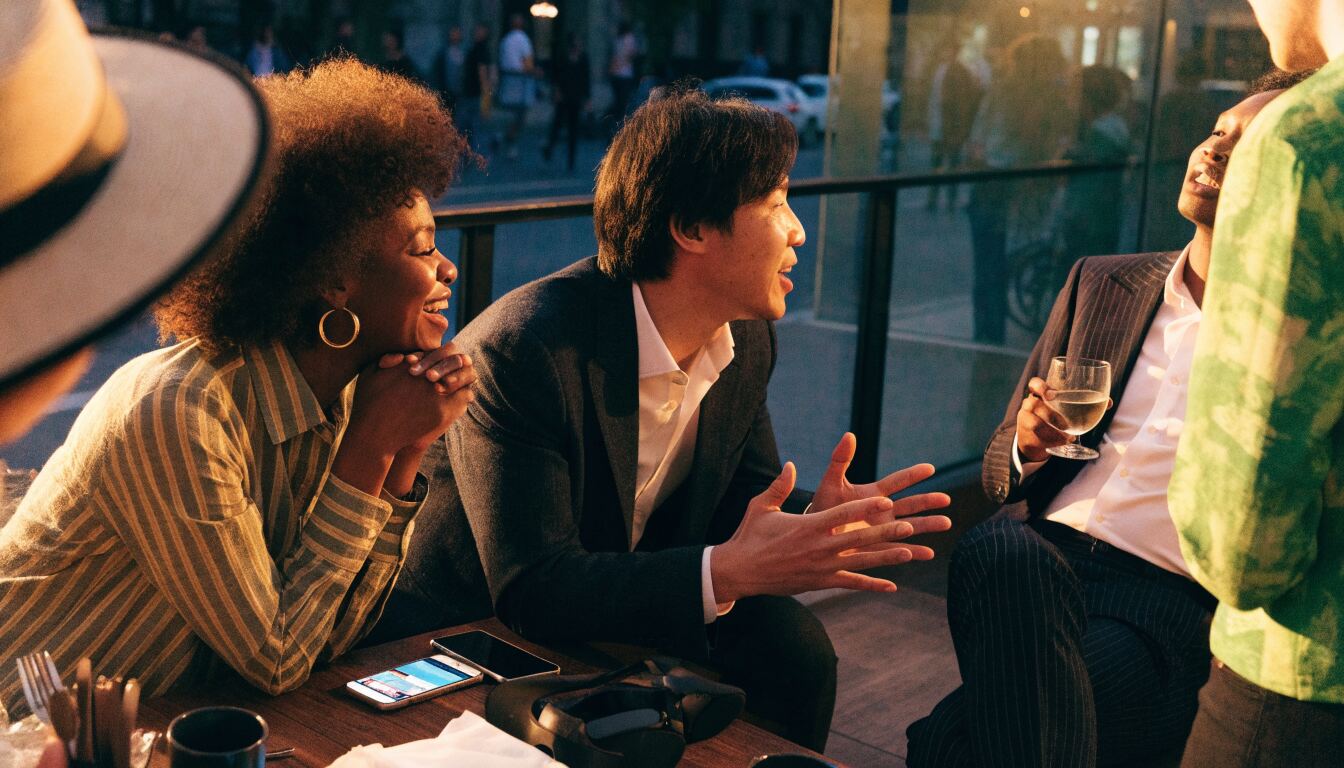
Cutting Through the Noise Around Modern Dating
Relationships often come with an unspoken rulebook, a collection of assumptions about how attraction works and who’s in charge. You’ve probably encountered these storylines—tales of who should pursue whom, or who supposedly has all the leverage in romantic encounters. These narratives can feel overwhelming, especially when real-life experiences don’t match the script. Our goal here is to sift through the chatter and examine what’s actually at play behind some widely held dating beliefs. We’re diving into the space where casual intimacy and emotional safety intersect, peeling back layers of misconception to reveal a healthier, more balanced perspective on forming bonds.
Key Insights to Keep in Mind
Before we dig into the details, let’s highlight a few core truths that will guide our discussion. The belief that one gender completely dominates the dating landscape is largely a mirage. In reality, people of all identities grapple with nerves and self-doubt when it comes to making the first overture. Genuine allure extends far beyond surface-level traits like appearance or financial status; instead, it’s rooted in self-assurance, personal passions, and the ability to forge an authentic bond. The outdated mandate that men must always be the initiators is frequently driven by a dread of refusal, not by a lack of reciprocal interest from women. Furthermore, sexual access isn’t a straightforward game of control—what appeals to one person may fall flat with another, and true chemistry outweighs a rapid physical encounter. Labels like ‘alpha’ and ‘beta’ rest on shaky scientific ground and are often misused to excuse poor conduct. A far more constructive path involves nurturing your own sense of worth and maintaining a realistic outlook on companionship.
Dismantling the Myth of Feminine Control in Romance
A common tale circulates in dating circles: the idea that women function as the ultimate deciders, clutching all the advantages. According to this narrative, they alone determine who merits a chance, while men scramble to meet an elusive set of criteria. It’s as if women possess some effortless talent for selecting partners at will, leaving everyone else passively queuing for a turn. This notion surfaces in countless online discussions and casual chats about why the dating scene feels so grueling. But let’s pause and scrutinize whether this portrayal actually mirrors lived experience.
The Flaw in the Gatekeeper Image
Framing women as sovereign figures bestowing approval from a throne creates a distorted picture. Is it truly that black and white? Consider someone who constantly frets about external judgment or who carries a deep fear of being turned away—does that resonate as a position of supreme power? Hardly. The same waves of anxiety that crash over men when they consider approaching a potential interest also wash over women. They navigate worries about how their actions will be interpreted, whether their conversational gambit might land awkwardly, or if they’ll face a cold dismissal. It’s tempting to assign omnipotence to another group when you’re feeling powerless yourself, but that projection rarely captures the full humanity of the situation.
Do Women Really Have Unlimited Choices?
The fantasy that women float through a boundless sea of admirers, cherry-picking the finest candidate, stretches reality thin. While some individuals undoubtedly have more romantic prospects than others, it’s seldom the lopsided scenario often depicted. Attraction operates on a nuanced spectrum, not a simple checklist of attributes. Moreover, the notion that women can magically summon satisfying physical encounters on a whim is, for the vast majority, a far cry from truth. Desire isn’t a tap you turn on for just anyone; it’s interwoven with a sense of safety, intrigue, and personal resonance. Reducing female sexuality to an on-demand resource ignores the rich complexity of what makes a connection feel worthwhile.
How Perception Shapes the Power Illusion
So, where does genuine influence reside in the dance of courtship? The reality is that it’s distributed and often hinges more on perception than concrete fact. When individuals feel disempowered, they tend to transfer that authority onto others in their minds. The conviction that women monopolize romantic power often sprouts from a personal sense of inadequacy or helplessness. This creates a self-perpetuating loop: you believe you’ll be rejected before you even try, so you hold back, which then reinforces the idea that others control your fate. Breaking that cycle starts with recognizing that societal ideals of attractiveness—often unattainable for anyone—don’t dictate real-world chemistry. Plenty of people who never grace a magazine cover enjoy deeply fulfilling partnerships, a testament to the fact that lasting bonds thrive on something far deeper than a polished exterior.
The True Nature of Attraction: Beyond Surface Appeal
Passion, Self-Assurance, and a Full Life
Let’s be candid. You’ve likely observed individuals who lack conventional good looks, substantial wealth, or extraordinary talents, yet they’re paired with wonderful companions. How does that dynamic unfold? Typically, it’s because they possess a vibrant inner world that extends beyond the pursuit of a partner. They nurture enthusiasms—hobbies, causes, or creative outlets—that ignite their spirit, and they know how to channel that zest into engaging interactions. A quiet but sturdy confidence is also a key ingredient. This isn’t about swagger or arrogance; it’s about holding a grounded sense of who you are. Over time, authentic self-possession often eclipses superficial traits in fostering deep attraction. Such individuals can spark laughter, offer genuine warmth without veering into worshipful flattery, and, vitally, they avoid radiating a sense of neediness.
What Truly Draws People Together
It’s remarkably easy to buy into the myth that only the stereotypically stunning or the wealthy secure the most desirable mates. Yet a simple stroll through any bustling park or neighborhood tells a different story, revealing countless couples who defy that narrow archetype. This is where cultivating realistic expectations about partners becomes crucial. Cultural beauty norms can be toxic, peddling ideals that few can realistically achieve. In daily life, however, attraction is far more layered. It encompasses personality, a shared sense of humor, consistent kindness, and the way someone inhabits their own skin. People frequently find themselves more captivated by an individual’s overall aura—the feeling they evoke—than by their facial symmetry or the size of their wallet. Emotional warmth, intellectual curiosity, and a playful spirit often leave a more lasting imprint than any physical trait.
Prioritizing Authentic Bonds
What does this mean for your own approach to dating? It suggests a deliberate shift in focus. Instead of agonizing over whether you stack up against an unrealistic yardstick, contemplate what you genuinely contribute to a partnership and what you seek in return. Are you chasing a decorative companion, or do you want someone you can converse with effortlessly, someone who pursues their own fulfilling interests? It’s about discovering a person whose energy harmonizes with yours, laying the groundwork for something tangible. To guide your thinking, consider these questions when getting to know someone new: What lights them up? Do they speak with excitement about their hobbies or pursuits? How do they interact with the world around them, from a barista to a close friend? Is the dialogue fluid, stimulating, and enjoyable? Do they maintain a life independent of romantic pursuits, signaling autonomy and self-reliance? Ultimately, forging a connection extends beyond an initial spark. It’s about locating a person whose existence enriches your own, and vice versa—a dynamic built on mutual amusement, respect, and the simple pleasure of shared time.
Questioning the Rule That Men Must Always Initiate
A stubborn notion persists in the dating world: the belief that men bear the sole responsibility for making the first overture. According to this script, it’s our duty to approach, extend invitations, orchestrate outings, and foot the bill. The underlying assumption is that women are merely waiting to be impressed, and men must labor to prove their worthiness. That sounds like an exhausting burden, doesn’t it? More often than not, this dynamic stems from a place of apprehension—fear of being rebuffed, fear of inadequacy, or simply uncertainty about how to spark a conversation in the first place.
The Weight of Rejection and Approach Hesitation
No one savors the sting of a dismissal. For many men, the mere prospect of walking up to an intriguing stranger and receiving a curt refusal is deeply intimidating. This form of anxiety can become a formidable barrier, leading you to overanalyze every possible outcome, second-guess your instincts, and ultimately, remain frozen. It’s akin to standing on a diving board, yearning for the water below but unable to command your legs to leap. Common apprehensions include the fear of being completely overlooked, receiving a brusque or scornful reaction, feeling humiliated in a public setting, or squandering emotional energy on someone who isn’t reciprocating. Acknowledging these fears is the first step toward managing them.
Mutual Exposure in the Dance of Courtship
Here’s a crucial reframe: dating isn’t a one-directional pursuit where a single party must lay everything on the line. Meaningful connection blossoms when both individuals are willing to embrace a degree of emotional exposure. It’s not about a chase; it’s about a mutual exploration of compatibility. When a woman demonstrates interest or takes a proactive step, it can actually be an incredibly encouraging signal. It communicates engagement and a genuine desire to learn more about you, too. This shared initiative eases the pressure and transforms the encounter into something more balanced and authentic. Seeing vulnerability as a two-way street fosters a healthier dynamic from the very start.
Redesigning the Concept of the First Step
So, what does ‘making a move’ truly entail in a modern context? It’s broader than the initial greeting. It encompasses showing sincere curiosity and creating space for a connection to germinate. And crucially, women are fully capable of participating in this process. When a woman initiates dialogue, poses thoughtful questions, or proposes a future meetup, she isn’t being overly forward—she’s actively shaping her own romantic journey. It’s about acknowledging that attraction and interest flow freely in both directions. Rather than clinging to antiquated formulas, we can embrace a more fluid and equitable model of courtship. The emphasis shifts from who acts first to both parties being willing to move toward each other, fostering a climate of shared intent.
The Complexities of Sexual Availability
Discussions around sexual availability often become entangled in broad generalizations, particularly when comparing experiences across genders. The assumption that one group enjoys inherent, hassle-free access to physical intimacy while another perpetually struggles is, to put it mildly, a vast oversimplification. Authentic sexual closeness and the trust it requires are constructed from far more than just perceived opportunity.
The Fantasy of Effortless Female Sexuality
An enduring fable suggests that women can summon a sexual partner with a mere snap of their fingers, positioning them as effortless gatekeepers bestowing access. Yet this scarcely reflects the lived reality for the majority. In certain digital dating environments, a woman might receive a deluge of messages, but what portion of those come from individuals she actually finds compelling? The issue isn’t merely about accessing sex as an abstract concept; it’s about desiring the specific encounter on offer, and with a person who genuinely intrigues her. A distinction must be drawn between opportunity and authentic desire—having options doesn’t equate to wanting those options. For many women, physical intimacy isn’t a detached transaction; it’s frequently linked to emotional resonance and sincere interest. The myth of effortless availability completely erases this intricate internal landscape.
Deconstructing the Alpha and Beta Framework
You’ve likely encountered the terms “alpha” and “beta” deployed in conversations about dating and social hierarchies. This framework posits that men slot neatly into distinct categories: “alphas” as the self-assured, commanding types who effortlessly magnetize partners, and “betas” as the more passive individuals who flounder. It presents a seductively simple taxonomy, but upon closer examination, it’s largely a fabrication with little grounding in credible evidence.
The Shaky Foundation of the Alpha/Beta Concept
Common Questions About Confidence and Connection
Does One Gender Hold All the Cards in Dating?
The myth that women automatically dominate romantic interactions doesn't hold up under scrutiny. In truth, nervousness and self-doubt can affect anyone, regardless of gender. The perception of power often stems from cultural stereotypes rather than lived experience. What really matters is your own sense of assurance and self-worth. When you feel grounded in who you are, you'll navigate these dynamics with more ease, without getting caught up in imagined hierarchies.
Must Men Always Initiate?
While society often paints the picture of men as the sole initiators, this isn't a fixed law. Plenty of men feel shy or fear rejection, which can make them pause. Meanwhile, someone with a naturally outgoing personality—whether male or female—might happily take the lead. The key isn't gender but individual comfort and confidence. If you're someone who enjoys meeting new people, making the first move feels less like a chore and more like a natural part of socializing. The real takeaway is to act in a way that aligns with your authentic self, not a prescribed role.
What Truly Draws People In Beyond Appearances or Wealth?
While a polished look or financial stability might catch initial attention, they're rarely what sustains interest. Far more magnetic is a person who radiates enthusiasm for their own life. Confidence—not arrogance, but a quiet knowledge of your own value—is incredibly appealing. Add to that a genuine sense of humor, consistent kindness, and the ability to truly listen, and you create a connection that goes beyond the superficial. People are drawn to those who make them feel seen and appreciated, not just to a pretty face or a fat wallet.
Are 'Alpha' Personalities the Secret to Attraction?
The whole concept of 'Alpha' and 'Beta' types is built on shaky ground, originally drawn from flawed studies of wolves in unnatural settings. Modern understanding shows that attraction is far more nuanced. People respond to a blend of qualities: empathy, shared passions, emotional intelligence, and a warm personality. Attempting to dominate or act callously in an effort to seem 'Alpha' often pushes others away rather than drawing them in. True magnetism comes from being a decent, interesting human, not from performing a tired stereotype.
What Does 'Sexual Availability' Actually Mean?
This term is often misunderstood as simply how quickly someone can find a sexual partner. But for many, especially women, it's about something deeper. It's not about grabbing the nearest willing person; it's about finding someone who sparks genuine attraction and a sense of connection. Having clear standards isn't a barrier—it's a filter that helps you find a truly compatible match. This approach leads to more fulfilling encounters, as it prioritizes quality and mutual interest over mere convenience.
How Can You Build Greater Security in Relationships?
Lasting security starts from within. It grows when you truly believe in your own worth and stop operating from a place of scarcity. Instead of fretting over being alone or chasing attention, pour energy into crafting a rich, satisfying life on your own terms. Embrace what's often called an 'abundance mindset'—the understanding that there are countless wonderful people to meet. This perspective naturally makes you less clingy and more attractive. You show up as a complete person seeking to share, not a desperate one looking to fill a void. Practice self-care, pursue hobbies, and nurture friendships. When your happiness isn't dependent on a partner, you become a magnet for healthy connections.
Ultimately, moving past these dating misconceptions allows for more authentic interactions. By focusing on inner confidence, genuine qualities, and a mindset of plenty, you can build relationships that are secure, joyful, and deeply satisfying.
Navigating First-Date Jitters with Authenticity
First dates can feel like walking a tightrope between making a good impression and staying true to yourself. A common mistake is over-rehearsing or adopting a persona you think will impress. Instead, focus on small, genuine gestures: share a real laugh, admit when you're nervous, or ask a question that shows you're listening. This not only eases tension but also reveals compatibility faster than any polished act. Remember, connection blooms when both people feel safe to be imperfect.
Breaking Free from the Comparison Trap
In a world of endless profiles and curated lives, it's easy to measure your romantic journey against others. You might catch yourself thinking, 'They found someone so quickly—what's wrong with me?' This mindset overlooks the messy, nonlinear reality of building bonds. A practical shift is to limit social media scrolling before dates and journal about your own experiences instead. Celebrate small wins, like a conversation where you felt truly heard. Attraction thrives when you're anchored in your own story, not chasing someone else's highlight reel.
Common Pitfalls in Reading Interest Signals
Misinterpreting cues can derail budding connections. Here are frequent missteps to avoid:
- Assuming silence is disinterest: A delayed reply might mean a busy day, not a lack of attraction. Give space before jumping to conclusions.
- Overvaluing physical chemistry: Spark is important, but fixating on it can blind you to deeper incompatibilities like mismatched values.
- Ignoring your own discomfort: If you're constantly second-guessing where you stand, that unease is a signal worth exploring, not dismissing.