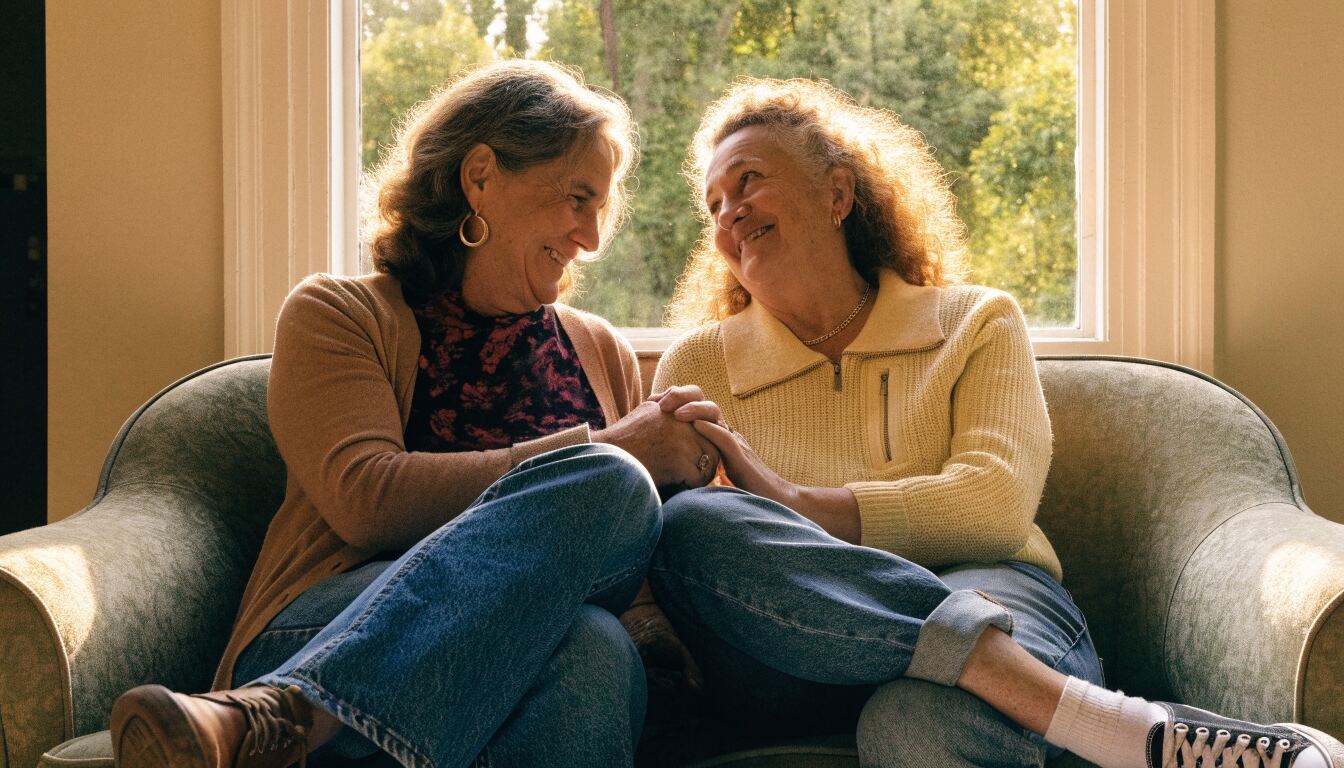
Stepping into a New Chapter
The house has grown quiet, the rooms feel spacious, and you're probably glancing around wondering what comes next. For many couples, this phase after children leave home opens a door to fresh explorations and shared adventures. One path that's gaining attention is attending lifestyle events—social gatherings where adults connect, flirt, and sometimes more. If you're curious about your first swingers bash, it's natural to feel a flutter of nerves mixed with anticipation. This guide walks you through every step, from preparation to reflection, so you and your partner can approach the experience with ease and excitement. Think of it as sitting down with a trusted friend who's been there, sharing insights on what to expect and how to make the evening truly memorable.
Laying the Groundwork Together
Before you even pick out an outfit or glance at an event calendar, the most crucial work happens in conversation with your partner. This isn't about scripting every moment but about building a foundation of trust and clarity. Set aside a relaxed evening, maybe with a glass of wine, and talk openly about what draws you both to this idea. Are you hoping to simply observe the atmosphere? Maybe you're curious about light flirting or want to explore physical connections with others. There's no right answer—only what feels authentic to your relationship.
Defining Your Comfort Zones
Boundaries form the heart of a positive experience. Discuss physical limits in detail: are you comfortable with kissing, touching, or full intimacy? What specific acts spark curiosity, and which ones feel off the table? Emotional boundaries matter just as much. How much connection are you open to sharing with new people? Some couples prefer casual, brief encounters, while others enjoy deeper conversations that might lead to ongoing friendships. Time boundaries are practical yet often overlooked—decide roughly how long you'll stay and whether you have a firm departure time. This can ease anxiety, knowing you have an exit plan if needed.
Creating Signals and Safe Words
Even with thorough planning, moments might arise where one of you feels uneasy or wants to pause. Agree on a discreet signal—a specific word, a gentle squeeze of the hand, or a glance—that means "I need to check in" or "Let's step away." This non-verbal tool allows you to communicate instantly without drawing attention. It's also wise to discuss how you'll handle scenarios where one partner feels drawn to an experience the other isn't comfortable with. The rule of thumb is simple: if one person hesitates, you both step back. No explanation required in the moment; you can unpack feelings later at home.
Preparing for the Evening
With your emotional roadmap in place, it's time to focus on the practical side of getting ready. The goal is to feel confident, comfortable, and prepared for whatever unfolds. This isn't about chasing perfection but about setting yourself up for a relaxed, enjoyable night.
Dressing with Intention
What you wear plays a big role in how you carry yourself. Check the event details for any theme or dress code—some gatherings lean toward smart casual, others might encourage a more glamorous or playful look. The golden rule is to choose something that makes you feel attractive and at ease. For men, a well-fitted button-down shirt or a stylish polo paired with dark jeans or tailored pants often strikes the right balance. Women might opt for a flattering dress, a chic skirt-and-top combo, or elegant trousers. Consider layers; venues can shift from warm to cool, and having a wrap or jacket lets you adjust. Think about practicality too—outfits that are easy to remove can be helpful if the evening takes an intimate turn, but don't feel pressured to dress for anyone else's expectations. When you feel good in your skin, that energy radiates.
Packing Your Essentials
A small bag with a few key items can save you from awkward moments. Here's a quick checklist:
- Identification: Most venues require ID for entry, so keep it handy.
- Payment methods: Bring cash or a card for cover charges, drinks, or unexpected expenses.
- Protection and lubricant: If intimacy is on the table, arrive with your preferred brands of condoms and lubricant. This shows thoughtfulness and respect for everyone's health.
- Fresh breath supplies: Mints or gum go a long way in close conversations.
- A compact bag or clutch: Keep your items organized and secure without lugging a bulky purse.
- Your mindset: Pack an open, friendly attitude. This might be the most valuable thing you bring.
Entering the Scene
Walking into your first lifestyle event can feel like stepping onto a new planet. The music pulses, conversations hum, and you might notice your heartbeat picking up speed. That's completely normal. Give yourself permission to simply observe for the first few minutes. Find a spot where you can see the room, perhaps near the bar or a seating area, and take it all in. Notice how people interact—are they clustered in small groups, dancing, or chatting in pairs? The atmosphere often feels more relaxed than you imagined, with a mix of seasoned attendees and newcomers just like you.
Reading the Room
Every event carries its own energy. Some nights feel electric and high-energy, with loud music and lots of movement. Others lean toward intimate and subdued, with softer lighting and quieter corners for conversation. Pay attention to body language around you. People who are open to meeting others typically maintain relaxed postures, make eye contact, and smile. If someone seems closed off—arms crossed, avoiding gaze—respect that signal and move on. Don't hesitate to relocate if a particular area feels too intense or doesn't match your vibe. Most venues have multiple zones, from lively dance floors to quieter lounge spaces.
Making Genuine Connections
Once you've acclimated, the next step is reaching out to others. This can feel daunting, but remember: nearly everyone at these gatherings shares a common goal of meeting new people. A simple, warm approach often works best.
Starting Conversations Naturally
Skip the rehearsed lines and stick with authenticity. A smile and a friendly "Hi, I'm [name]" can open doors. Comment on something immediate—the music, the venue's decor, or even how you're both navigating your first event. Open-ended questions invite richer dialogue. Instead of asking "Are you having fun?", try " What brought you to an event like this?" or "What have you enjoyed most about the lifestyle so far?" Listen actively to their responses, nodding and asking follow-up questions. Share a bit about your own journey too—how you and your partner decided to explore this chapter together. Genuine curiosity builds rapport far faster than clever tactics.
Spotting Mutual Interest
Chemistry often shows up in subtle ways: prolonged eye contact, a lean-in during conversation, or a shared laugh that lingers. Pay attention to how someone engages with both you and your partner. Are they asking you questions in return? Does their body language feel open and inviting? Sometimes a connection sparks instantly; other times it builds gradually over the evening. Don't feel pressured to decide anything quickly. Chat with several people or couples throughout the night. You might discover that the person you initially overlooked becomes the most intriguing conversation of the evening.
Understanding the Unwritten Rules
Lifestyle events operate on a foundation of courtesy and respect, amplified beyond typical social norms. These guidelines ensure everyone feels safe and valued, which in turn creates an atmosphere where people can relax and be themselves.
Etiquette Essentials
Treat personal space as sacred. Avoid crowding others or hovering too close during conversations. The most critical rule revolves around touch: always, always ask before initiating any physical contact beyond a handshake. A verbal "yes" is mandatory—assumptions have no place here. If someone declines an invitation, whether for chatting or something more, accept it gracefully with a simple "No worries, nice meeting you" and move on. Never pressure or pout. Be mindful of your volume and behavior; disruptive actions can jar others out of their comfort zones. Lastly, adhere to any specific dress codes or theme requests the hosts have communicated. These small acts of consideration signal that you're a respectful guest.
The Central Role of Consent
Consent isn't a one-time checkbox—it's an ongoing conversation that weaves through every interaction. Before joining a group or approaching a couple, pause and ask if they're open to company. Before touching someone's arm during a story, check in. If you sense hesitation or a polite but lukewarm response, step back immediately. Equally important is voicing your own boundaries clearly and without apology. Saying "I'm not comfortable with that" or "Let's keep things here for now" is not only acceptable but essential. The most magnetic people at these gatherings are those who prioritize mutual comfort over personal agenda. When everyone feels secure, the night can unfold with genuine freedom and joy.
Managing Expectations in the Moment
It's easy to build elaborate fantasies before your first event, imagining cinematic encounters and instant sparks. Reality tends to be messier and more human—and that's a good thing. Not every conversation will crackle with chemistry, and not every interaction will lead somewhere physical. Some evenings might involve mostly talking and observing, and that's a perfectly valid experience.
Embracing the Learning Curve
Your first bash is exactly that: a first. Like any new skill, navigating lifestyle events takes practice. You might feel awkward during initial conversations or unsure how to transition from chatting to something more. That'ss normal. Focus on the experience itself rather than a specific outcome. Go with the intention of learning—about this community, about your partner, about yourselves. Patience pays off; many couples report that it takes two or three events before they truly find their rhythm. Avoid comparing your journey to others'. Some couples jump into physical connections quickly; others wade in slowly over months. Neither approach is superior—only what works for your unique relationship.
Navigating Social Dynamics
As the evening progresses, you'll notice various social currents flowing through the venue. Some people arrive as couples and stay paired; others mingle separately and reconvene later. Singles might be present, adding another layer to the social fabric. Observe how groups form and dissolve. Don't be afraid to move if you feel stuck in a conversation that isn't clicking—a polite "It was great chatting, I think we'll go explore a bit" works perfectly. If you're attending as empty nesters, you might find others in a similar life stage, which can create instant common ground.
Checking In with Your Partner
Throughout the night, maintain a quiet thread of communication with your partner. This doesn't require lengthy huddles; a quick glance, a subtle touch on the arm, or a whispered "How are you doing?" can suffice. These micro-check-ins keep you aligned and provide reassurance. If one of you feels overwhelmed, step outside for fresh air or find a quiet corner to regroup. Remember your pre-arranged signals and use them without hesitation. The night belongs to both of you, and either person can call for a pause or an early departure at any time—no justification needed in the moment.
After the Event: Unpacking Together
The drive home or the quiet of your living room afterward holds as much importance as the event itself. This is when you process, reconnect, and figure out what the experience means for your relationship.
Debriefing with Care
Set aside dedicated time to talk, free from distractions like phones or television. Approach the conversation with curiosity, not judgment. Ask open questions: what moments stood out for you? What surprised you? Were there any interactions that felt uncomfortable or confusing? Share your own highlights and hesitations honestly. This isn't about critiquing each other's behavior but about understanding each other's inner experience. You might discover that a moment you found thrilling made your partner feel uncertain, or vice versa. That's valuable information, not a problem to solve.
Personal Reflections
Beyond the joint conversation, give yourself space for individual reflection. Maybe you discovered a new facet of your desires or realized a boundary you didn't know existed. Perhaps the evening aligned perfectly with expectations, or maybe it veered in unexpected directions. Both outcomes offer growth. If you felt overwhelmed or didn't connect with as many people as you hoped, that's okay too. Every event teaches something, and understanding what worked and what didn't helps you navigate future gatherings with more wisdom.
Planning What Comes Next
Based on your debrief, you can start sketching future adventures. Did the night leave you both earger for more? Consider looking into upcoming events—maybe a different type of gathering, like a themed party or a smaller meetup. If you need time to process, take it. There's no rush to fill the calendar immediately. Some couples find they want to explore specific dynamics further, like attending events focused on particular interests. Others realize they prefer a slower pace, with more emphasis on socializing than physical connection. The beauty of this chapter is its flexibility—you shape it together, at your own speed.
Prioritizing Health and Safety
Amid the excitement, don't let health considerations slip to the background. This applies to physical, emotional, and environmental well-being—all equally important.
Physical Health Practices
If intimacy with new partners is a possibility, regular STI testing becomes a cornerstone of responsible exploration. Have open conversations about recent testing with anyone you're considering being intimate with—it might feel awkward at first, but it demonstrates care and maturity. Bring your own protection and lubricant, even if venues sometimes provide them. Having your preferred brands ensures comfort and reliability. Stay hydrated throughout the evening, especially if you're drinking alcohol. Pace yourself; a clear head helps you make decisions you'll feel good about later.
Emotional Well-Being
Check in with your feelings periodically during the event. Are you genuinely enjoying yourself, or are you pushing through discomfort? It's always okay to step back, find a quiet space, or leave entirely if you need to. You owe no one an explanation beyond "I need a break." Your emotional state matters more than any social expectation. After the event, watch for unexpected feelings in the following days—sometimes emotions surface late. Talk them through with your partner or a trusted, understanding friend.
Choosing a Safe Environment
The event or venue you select greatly impacts your experience. Look for gatherings with clear codes of conduct, visible staff or hosts, and designated quiet areas. Upon arrival, scan the space: does it feel well-organized? Are people respectful in their interactions? Trust your gut; if something feels off, it probably is. Have a reliable transportation plan—arrange a ride beforehand or ensure you can get home safely without depending on strangers. Knowing logistics are handled lets you relax into the evening.
Understanding Risk Management
This boils down to making informed choices. Before attending, clarify your intentions and limits with yourself and your partner. Understand that not everyone at the event shares the same goals—some are there purely for socializing, others for specific physical experiences. Respect those differences. If someone disregards your boundaries, firmly disengage and alert event staff if needed. You always retain control over your own experience. A few practical reminders:
- Consent is continuous: Check in verbally before escalating any interaction, and ensure enthusiasm from all involved.
- Limits are fluid: You can say "no" or "stop" at any point, for any reason. Your comfort overrides all else.
- Safe words work: A pre-arranged word or signal that means "stop immediately" provides a reliable escape hatch.
- Hydration matters: Balance alcohol with water to stay present and clear-headed.
Embracing Your New Adventures
Hosting or attending your first swingers bash marks a bold step into uncharted territory. Whether the night exceeded hopes or simply offered lessons, the act of trying something new deserves celebration. Life after children leave home brims with possibility—this is your era to explore desires, deepen your partnership, and craft stories worth telling. Keep experimenting, keep communicating, and let curiosity guide you. The adventures ahead are yours to shape, and no one can predict the joy they might bring.
Your First Swingers Gathering: Answers to Common Curiosities
Understanding the Nature of Swinger Parties
Think of a swinger event as a friendly social mixer where adults come together to celebrate connection and personal freedom in a respectful setting. These gatherings attract couples and, occasionally, singles who are curious about exploring intimacy beyond traditional boundaries. The atmosphere encourages meeting others who share a similar outlook, with the chance to engage in new activities at a pace that feels right for everyone involved.
Choosing an Outfit That Works for You
When deciding what to wear, lean toward attire that blends comfort with self-expression, much like you'd pick for a relaxed evening with friends. While some parties adopt playful themes or suggest specific dress codes, the golden rule is to select clothes that boost your confidence. Avoid overthinking it—feeling at ease in your skin naturally draws positive attention and helps you relax into the evening.
Reading Signs of Mutual Interest
Noticing if someone is curious about connecting often comes down to observing subtle cues. A warm smile, extended eye contact, or a person casually drifting closer can all hint at openness. Initiating a light conversation or offering a genuine compliment are gentle ways to test the waters. Equally, you can signal your own interest by maintaining friendly, approachable energy. Remember, a polite "no, thank you" is always respected, so there's no pressure to overanalyze every interaction.
Navigating Different Desires as a Couple
It's perfectly natural for you and your partner to arrive with varying expectations or comfort levels. The secret lies in continuous, honest dialogue—both before stepping through the door and during the event itself. Consider yourselves a united front; you can always step back, regroup, and adjust your boundaries without explanation. Prioritizing each other's feelings over external opportunities strengthens your bond and keeps the experience positive.
Keeping Safety a Top Priority
Well-organized events place a strong emphasis on creating a secure environment. Look for gatherings that openly communicate their guidelines around consent and health-conscious practices. Before attending, have a thorough talk with your partner about your limits, and never stray from what you've agreed upon. Carrying your own protective supplies and staying aware of your surroundings adds an extra layer of reassurance, letting you focus on the fun.
Reflecting After the Party Ends
Once the celebration winds down, carve out quiet time to unpack the experience together. Discuss what moments brought joy, which parts felt awkward, and whether the lifestyle holds further appeal. This debriefing isn't just about processing—it's a valuable tool for deepening your understanding of each other's inner worlds. Whether you decide to dive deeper or simply cherish the memory, the conversation itself can be incredibly enriching.
Stepping into this scene is ultimately about discovery on your own terms. Approach it with curiosity, arm yourselves with clear communication, and let the journey unfold naturally—you might be surprised by the adventures that await.