Discovering the World of Hispanic Swinging: More Than Meets the Eye
Maybe you've heard whispers about the swinger lifestyle and felt a spark of curiosity, especially within the rich tapestry of Hispanic culture. The reality is far deeper than casual stereotypes suggest. At its heart, this path revolves around shared exploration, genuine human bonds, and a surprising amount of personal development. Many who step into this arena discover it's less about specific acts and more about weaving a tight-knit community where honesty flourishes. For couples and individuals alike, the emphasis lands squarely on crafting experiences that honor everyone's comfort zones while celebrating mutual respect.
Picture a space where you can voice your curiosities without fear of judgment, where others embrace diverse relationship models with open arms. That's the core of ethical non-monogamy within Hispanic circles—a lively, supportive network that values each person's unique journey. Whether you're drawn to full partner exchanges, prefer softer interactions, or simply crave socializing with like-minded folks, the beauty lies in shaping your own definition of fulfillment. The community thrives because it welcomes newcomers with genuine warmth, making it a standout environment for those ready to learn and grow.
Getting Started: Your Personal Pace and Priorities
When you're new to all this, the sheer amount of information can feel overwhelming. Here's the secret: there's no universal timeline. Rushing into situations before you're truly ready often backfires, so treat this as a gradual process of self-discovery. Begin by reflecting deeply on what draws you to the lifestyle in the first place. Are you seeking deeper intimacy with a partner? New friendships? Or perhaps a way to explore facets of your identity that have remained hidden? Jotting down these motivations can clarify your intentions and guide your early steps.
Boundaries form the backbone of every positive experience in this realm. These aren't rigid walls but rather flexible guidelines that evolve as you do. Sit down with your partner if you have one, or simply with yourself if you're single, and map out clear yeses, maybes, and absolute nos. Maybe you're comfortable with flirtation and dancing but want to keep physical intimacy limited at first. Perhaps certain settings feel safer than others. Spelling out these preferences prevents misunderstandings and builds a foundation of trust that makes later exploration much smoother. Remember, it's perfectly fine to revise your boundaries over time—what matters is communicating those changes openly.
The Cultural Warmth of Hispanic Swinger Communities
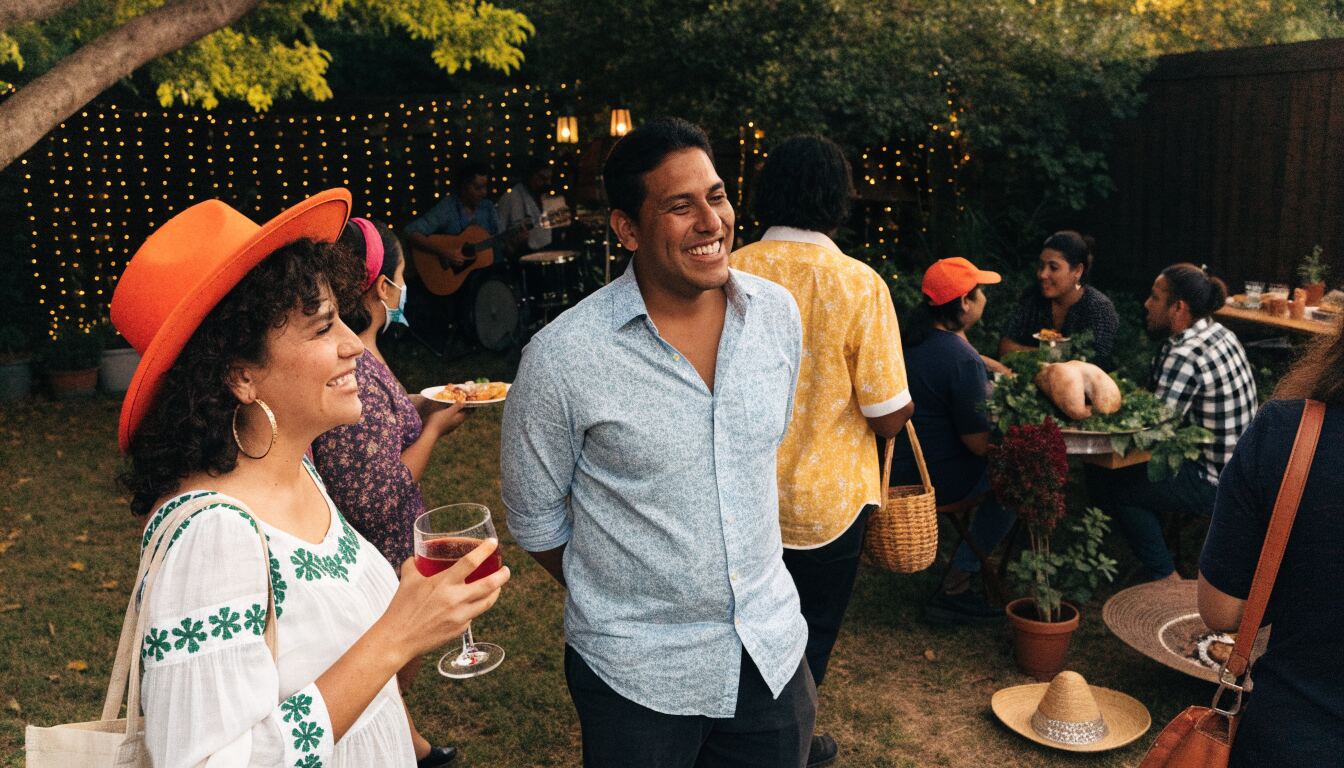
One of the most striking features of Hispanic-focused swinger circles is the palpable sense of belonging. These groups often blend cultural traditions—like lively music, shared meals, and extended social networks—with modern approaches to relationships. The result is an atmosphere where newcomers frequently comment on feeling immediately embraced rather than scrutinized. This inclusivity extends across relationship statuses, ages, and backgrounds, creating a vibrant mosaic of perspectives that enriches everyone involved.
Within these communities, you'll find an emphasis on holistic connections. Yes, physical chemistry matters, but so do laughter, intellectual conversations, and emotional support. Many lifelong friendships emerge from initial meetings at events or online groups, proving that the lifestyle nurtures far more than fleeting encounters. For Hispanic couples exploring open relationships, this cultural backdrop often provides a comforting framework—a sense of familia that softens the edges of vulnerability and encourages authentic expression. The diversity within ethical non-monogamy isn't just tolerated here; it's celebrated as the very engine that keeps the community dynamic and resilient.
Mastering the Art of Communication and Consent
Building Bridges Through Honest Dialogue
Talking about desires, fears, and limits can feel awkward initially, but it's the most vital skill you'll develop in this lifestyle. Effective communication goes beyond simply stating what you want; it requires active, empathetic listening. When discussing intimate topics with partners or new acquaintances, create a relaxed setting free from distractions. Use "I" statements to express your feelings without placing blame, such as "I feel more secure when we check in before moving forward" rather than "You always rush things." This subtle shift fosters collaboration instead of defensiveness.
Consider establishing regular check-in rituals with your primary partner. These don't have to be formal sit-downs; a casual coffee chat after attending an event or browsing an online platform can work wonders. Ask open-ended questions: "What felt good tonight?" "Was there anything that surprised you?" "How can I support you better next time?" These conversations deepen your bond and ensure you're growing together rather than drifting apart. For single participants, honest self-talk is equally crucial—regularly assess your emotional state and adjust your involvement accordingly.
Mapping Out Comfort Zones Clearly
Boundaries are deeply personal and often nuanced. Instead of vague statements like "I'm not into anything too wild," get specific. Break down scenarios: "I'm open to kissing and light touching with others but want to save intercourse for just us right now." Or "I'm comfortable attending parties as a couple but prefer to stay together throughout the evening." The more precise you are, the easier it becomes for others to respect your limits.
A practical tool many seasoned swingers use is the "yes, no, maybe" list. Create three columns and populate them with various activities—from dancing and sensual massage to different levels of partner swapping. Share this list with your partner or keep it as a personal reference. Revisit it periodically; you might be surprised how your preferences shift with experience. This exercise also serves as an excellent conversation starter when meeting new people, as it normalizes discussing boundaries upfront rather than relying on assumptions.
Navigating Rejection with Grace and Self-Compassion
In any social setting where attraction plays a role, rejection is inevitable. Not every connection will spark, and that's perfectly natural. The mark of emotional maturity lies in how you handle those moments. When someone declines your interest, a calm "I appreciate your honesty, thank you" preserves dignity on both sides. Avoid pressing for explanations or taking the refusal as a reflection of your worth. Often, mismatches simply boil down to differing preferences or timing.
Equally important is learning to say no yourself without guilt. You owe no one an elaborate justification. A kind but firm "That's not something I'm comfortable with right now" suffices. Practice this phrase until it feels natural. Remember these key principles: always seek enthusiastic consent before any physical touch; pay close attention to non-verbal signals like tense body language or averted eyes; and never, under any circumstances, pressure someone after they've expressed a no. Upholding these standards creates a safer, more enjoyable environment for everyone involved.
Locating Your Tribe: Online and In-Person Pathways
Navigating Digital Platforms for Meaningful Connections
The digital landscape offers a wealth of entry points for those exploring the swinger lifestyle. Numerous websites and mobile apps cater specifically to non-monogamous dating and community building. When choosing a platform, prioritize those with robust privacy features and clear community guidelines. Look for sites that allow detailed profiles where you can articulate your interests, boundaries, and what you're seeking—whether that's casual conversation, event buddies, or potential play partners.
Take time crafting your profile. Authenticity attracts the right matches. Share genuine hobbies and personality traits alongside your lifestyle preferences. A warm, recent photo (even if faces are obscured for privacy) can increase engagement. Many platforms offer trial periods; use these to explore the interface and gauge the user base before committing financially. Read reviews from other members and pay attention to how the site handles reports of inappropriate behavior. A well-moderated space saves headaches down the road. Once you're set up, initiate conversations with a friendly, personalized message rather than a generic "hey." Mention something from their profile that caught your eye—this small effort goes a long way.
Tapping into Social Media Groups and Forums
Beyond dedicated swinger sites, mainstream social networks host vibrant communities where people share advice, plan meetups, and forge friendships. Private Facebook groups, subreddits, and Discord servers abound, each with its own flavor and focus. Some cater to specific regions, making them ideal for finding local events; others center on particular niches within the lifestyle, such as groups for LGBTQ+ individuals or those interested in specific dynamics.
When joining these spaces, observe the group's culture before diving in. Read pinned posts and rules thoroughly. Introduce yourself with a brief, genuine message rather than immediately seeking dates. Participate in discussions, offer encouragement to others, and let connections form organically. These groups often become invaluable support networks where you can ask sensitive questions and receive wisdom from experienced members. Just remember that moderators volunteer their time to keep spaces safe, so flag any concerning behavior and express gratitude for their efforts.
Stepping into Lifestyle Events and Gatherings
For many, the real magic happens at in-person events. These range from casual meet-and-greets at local bars to themed house parties and larger organized hotel takeovers. Attending your first event can feel nerve-racking, but preparation eases the jitters. Research the event beforehand: Is there a dress code? What's the expected ratio of couples to singles? Are play areas separate from social spaces? Understanding the format helps you set realistic expectations.
Dress in a way that makes you feel confident yet comfortable. Arrive with an open mindset focused on meeting people rather than achieving any specific outcome. Not everyone present is seeking sexual encounters; many attend purely for the social buzz and community connection. Strike up conversations, compliment someone's outfit, or ask how they discovered the lifestyle. These low-pressure interactions build rapport and often lead to deeper connections later. Above all, respect the space's etiquette: never interrupt others' conversations, avoid monopolizing anyone's time, and excuse yourself gracefully if a dynamic isn't clicking.
Preparing for Your Debut: A Practical Checklist
Making Your First Lifestyle Date a Positive Experience
So you've connected with someone intriguing and arranged a meeting—exciting! A successful first date in this context relies on the same fundamentals as any other: mutual respect, curiosity, and clear communication. Beforehand, touch base with your partner (if applicable) about hopes and limits. Discuss how you'll handle various scenarios, such as if one of you feels uncomfortable or if chemistry fizzles. Agree on a signal or safe word that indicates it's time to step away and regroup.
Choose a meeting spot that feels neutral and safe—a bustling café, a casual restaurant, or a public park. This takes pressure off and allows either party to leave easily if needed. During the date, be yourself rather than performing a role you think others expect. Ask questions about their experiences and listen actively. Treat the encounter as getting to know a new friend, with the understanding that intimacy may or may not follow. If sparks fly, fantastic; if not, you've still expanded your social circle. Either outcome is a win.
Understanding Playroom Dynamics and Etiquette
If you eventually venture into a space designated for intimate activities, knowing the unwritten rules makes all the difference. Playrooms exist for consensual exploration, but they're not free-for-all zones. First and foremost, observe before participating. Notice how others negotiate consent, how they manage personal space, and how they clean up after themselves. This observational phase teaches volumes.
Before engaging with anyone, secure enthusiastic verbal agreement. Non-verbal cues matter, but words eliminate ambiguity. Respect the space's atmosphere by keeping voices low and avoiding disruptive behavior. If you use shared furniture or equipment, thoroughly sanitize it afterward using provided supplies—this is non-negotiable courtesy. Keep your belongings tidy and out of others' way. If you're spectating, maintain a respectful distance and avoid staring in ways that make participants uncomfortable. Remember, confidence in these settings grows with experience, so be patient with yourself as you learn the ropes.
Prioritizing Health and Well-being
Hygiene and sexual health form the foundation of responsible participation in the lifestyle. Before any event or date, shower, groom, and carry fresh breath essentials. During intimate encounters, maintain awareness of cleanliness and refresh as needed. But beyond the immediate, commit to regular STI testing—many community members test every three to six months depending on activity levels. Be prepared to discuss your testing practices and recent results openly; this transparency builds trust and protects everyone.
Always carry your own supply of condoms, dental dams, and other barrier methods. Don't rely on others to provide protection. If a partner resists using barriers, that's a significant red flag—stand your ground. Listen to your body's signals, too. If something feels physically or emotionally off, pause or stop. Your well-being trumps any social pressure. Many find it helpful to research lifestyle-friendly healthcare providers who understand the nuances of non-monogamous relationships and can offer judgment-free guidance.
Thriving as a Single Person in the Swinger World
Embracing Your Solo Journey
Entering the lifestyle without a partner carries distinct advantages and challenges. Singles often enjoy greater flexibility in scheduling and decision-making, but they may also encounter dynamics geared primarily toward couples. The key lies in owning your status with confidence. When creating online profiles or introducing yourself at events, be upfront about being single. Pretending to be part of a couple erodes trust and closes more doors than it opens.
Before diving in, invest time in self-reflection. What do you genuinely seek—casual encounters, ongoing friendships with benefits, or perhaps eventual integration into a polyamorous structure? Clarifying your desires helps you target appropriate venues and communicate effectively. Also, solidify your personal boundaries. Without a partner to serve as a built-in check, you must rely on your own internal compass. Practice asserting your limits in low-stakes situations so it feels natural when it counts.
Learning from Seasoned Community Members
One of the smartest moves you can make is seeking mentorship from experienced swingers. Many long-time participants enjoy sharing wisdom with newcomers—it's part of the community's pay-it-forward culture. Attend social mixers specifically designed for education and networking. Introduce yourself to people who seem approachable and ask if they're open to sharing their story. Most will welcome the conversation.
Online forums and discussion groups also provide rich learning opportunities. Search for threads where singles share their experiences and read through the comments. Note common pitfalls and successful strategies. When you feel ready, post your own questions. The anonymity of online spaces often encourages surprisingly candid, helpful responses. Just remember to take advice as guidance rather than gospel—what works for one person may not suit your temperament or goals.
Overcoming Common Hurdles
Feelings of being an outsider can surface, especially at couple-centric events. Combat this by seeking out venues and groups that explicitly welcome singles. Some clubs host specific nights for solo attendees or maintain balanced ratios to ensure comfort. Build a network of fellow singles; there's solidarity in shared experience. When rejection occurs—and it will—remind yourself that it rarely reflects your desirability as a person. Attraction is subjective and situational. Process the sting, then refocus on connections that feel mutual.
Manage expectations realistically. Not every interaction will lead to intimacy, and that's healthy. Celebrate the small victories: an engaging conversation, a new contact added to your network, a lesson learned. Over time, these accumulate into a rich, fulfilling lifestyle experience tailored to your authentic self.
Welcoming Newcomers: A Guide for Experienced Couples
Approaching Introductions with Sensitivity
If you're a seasoned couple considering bringing friends or acquaintances into the fold, your approach matters immensely. Recognize that what feels familiar to you may seem daunting to newcomers. Begin with low-pressure conversations about ethical non-monogamy in general terms, sharing your own journey without pushing any agenda. Let their curiosity guide the depth of discussion. If they express interest, share resources and answer questions patiently, but never assume they're ready for hands-on experiences.
Watch for signs of genuine enthusiasm versus polite tolerance. Enthusiasm shows up as unprompted questions, requests for reading materials, or initiation of follow-up conversations. If you sense hesitation, back off gracefully. Pressuring someone—even subtly—can damage friendships and tarnish the lifestyle's reputation.
Guiding First Steps Gently
When newcomers express readiness to explore, suggest incremental steps. Invite them to a low-key social gathering where they can observe and chat without any pressure to participate. Recommend online communities where they can lurk and learn at their own pace. Perhaps arrange a double date with another experienced but easygoing couple, focusing on conversation and connection rather than immediate play. These gradual exposures build confidence and allow them to process their feelings between encounters.
Throughout this process, be available as a sounding board. Answer questions honestly, even the awkward ones. Share your own early missteps—this normalizes their nervousness and reinforces that perfection isn't expected. Remind them that they control their pace entirely and that stepping back is always an option.
Cultivating an Inclusive Atmosphere
Whether you're hosting an event or simply interacting within the community, actively foster an environment where everyone feels safe and valued. Establish clear behavioral expectations from the start. Model exemplary consent practices. Intervene if you witness boundary violations or exclusionary behavior. Celebrate diversity in all its forms—age, body type, ethnicity, experience level—and challenge cliquey dynamics that leave newcomers feeling isolated.
Share resources widely, such as beginner guides to ethical non-monogamy or links to supportive online spaces. A welcoming community benefits everyone; it attracts fresh energy, new perspectives, and ensures the lifestyle's longevity. When people feel genuinely accepted, they're more likely to contribute positively and pay that warmth forward to the next wave of newcomers.
Frequently Asked Questions
What exactly defines the swinger lifestyle?
At its core, swinging involves consensually exploring connections and intimacy with people outside a primary partnership, often as a joint activity for couples. However, it extends far beyond physical encounters. The lifestyle encompasses community building, personal growth, and discovering relationship models that feel authentic. For many, it's as much about friendship and social support as it is about sexuality.
How can I ensure everyone involved feels safe and respected?
Open, ongoing dialogue is your strongest tool. Before any activity, confirm that all parties enthusiastically agree to what's proposed. Articulate your own boundaries clearly and invite others to share theirs. Pay attention to both verbal and non-verbal signals throughout interactions, and never hesitate to pause or stop if something feels off. Respecting boundaries isn't just polite—it's the foundation of trust that makes the lifestyle sustainable and enjoyable.
Where can I meet other people interested in this lifestyle?
Multiple avenues exist. Specialized websites and apps designed for non-monogamous dating are common starting points. Social media groups on platforms like Facebook and Reddit offer community and event listings. In-person gatherings, from casual meet-and-greets to organized hotel parties, provide face-to-face connection. Each option has its own culture, so explore a few to find what resonates with your comfort level and goals.
What should I keep in mind for my first lifestyle experience?
Start slowly. Consider attending a social event with no expectations beyond meeting people. When you're ready for deeper involvement, discuss boundaries and desires thoroughly with any partners beforehand. Prioritize hygiene, practice impeccable consent, and remember that you can always step back or leave if you feel overwhelmed. Treat the experience as a learning opportunity rather than a performance you must ace.
Is the swinger lifestyle open to single individuals?
Absolutely. Many singles thrive within the community. Success often comes from being upfront about your status, seeking out groups or events that welcome solo participants, and learning from more experienced members. While some dynamics may center on couples, plenty of spaces and people enthusiastically embrace singles as friends, play partners, or more.
How do I thoughtfully introduce a friend or new partner to this world?
Lead with patience and information. Share your own experiences without pressure, answer questions honestly, and offer resources like articles or forums. If they express interest, suggest gradual exposure—a social mixer or online group—before any play-focused events. The goal is to create a supportive, pressure-free environment where they can explore at their own pace and feel genuinely welcomed.