Why Inclusivity Is Becoming the Heart of Swinging
Over the past few years, a noticeable transformation has taken hold across the lifestyle scene. What was once often seen as a space dominated by heteronormative couples is now opening up in meaningful ways. LGBTQ+ and non-binary folks are not just showing up; they are actively redefining what it means to swing, to connect, and to belong. This shift isn’t about ticking boxes or performing wokeness. It’s about recognizing that desire, intimacy, and community aren’t limited by a binary understanding of gender or a narrow view of sexuality.
For many participants, the goal is simple: walk into a party, a club, or a private gathering and feel like you can breathe. That sense of relief comes from environments that see you, respect your pronouns, and don’t assume your preferences based on how you look. When that baseline of acceptance exists, people are far more willing to be vulnerable, playful, and open. And that openness is what makes any swinger event thrive. Inclusivity, in other words, isn’t a side project. It’s the engine of a stronger, more vibrant community.
But building that kind of atmosphere takes more than good intentions. It requires venues and hosts to examine their language, their policies, and their physical spaces. It asks long-time members to unlearn old assumptions. And it calls on everyone to show up with curiosity rather than judgment. The payoff, however, is enormous. Communities that embrace diversity tend to draw a wider range of people, spark richer conversations, and create more authentic connections. The new generation of swingers understands this intuitively, and they’re leading the charge with energy and intention.
What Safe Spaces Actually Look Like
When people talk about safe spaces in the lifestyle, they’re not referring to padded rooms or bubble wrap. They mean environments where someone can exist as their full self without bracing for a microaggression or a dismissive comment. For LGBTQ+ and non-binary individuals, that can be rare, even in communities that market themselves as open-minded. A truly safe space is one where a non-binary person can introduce themselves with they/them pronouns and not be met with eye rolls. It’s a place where two men or two women can dance together without becoming the evening’s spectacle. And it’s a setting where questions about identity are met with respect, not invasive curiosity.
The impact of this safety is hard to overstate. When people don’t have to spend energy guarding themselves, they can invest that energy in connecting with others. Anxiety drops, confidence rises, and conversations flow more naturally. For many LGBTQ+ swingers, finding a venue that gets this right feels like exhaling after holding their breath for years. It’s not just about avoiding harm; it’s about creating the conditions for genuine joy.
Some clubs and event organizers are leading by example. They’ve introduced clear codes of conduct that spell out zero tolerance for discrimination. They’ve added gender-neutral bathrooms and changing areas so that no one has to make an uncomfortable choice. Staff and volunteer training now often includes sessions on pronoun use, bystander intervention, and the difference between curiosity and fetishization. A few forward-thinking venues have even launched mentorship programs, pairing newcomers with experienced members who can show them the ropes in a supportive way. These aren’t grand gestures. They’re practical, repeatable steps that signal, “You belong here.”
Simple Steps Venues Can Take
For hosts and club owners wondering where to start, the path doesn’t have to be overwhelming. Small changes can have a big impact. Here are a few concrete ideas:
- Review all event invitations, website copy, and signage for gendered language. Swap “ladies and gentlemen” for “everyone” or “guests.”
- Provide pronoun stickers or badges at check-in, making it easy for attendees to share how they’d like to be addressed.
- Train door staff and party hosts on inclusive language and how to handle reports of discomfort or bias quickly and discreetly.
- Partner with LGBTQ+ community groups to co-host events, tapping into existing trust networks and learning from their expertise.
- Regularly solicit feedback from attendees, especially those from marginalized groups, and actually act on what you hear.
None of these steps require a massive budget. They require attention and a willingness to listen. Venues that commit to this kind of care often find that their events become more dynamic, with a broader mix of people and a warmer atmosphere overall.
Why Generational Mixing Enriches the Scene
One of the most beautiful developments in the modern swinger world is the growing connection between age groups. Younger LGBTQ+ and non-binary participants bring fresh energy, digital fluency, and a willingness to question old norms. At the same time, older members carry decades of lived experience, including hard-won lessons about identity, relationships, and survival. When these groups actually talk to each other, something special happens. The scene stops being a series of cliques and starts feeling like a community with a shared history and a shared future.
Older LGBTQ+ swingers, in particular, hold a unique place in this story. Many of them navigated periods when being openly queer or gender non-conforming was far more dangerous than it is today. They’ve witnessed the slow, uneven march toward acceptance and have stories that younger members may never have heard. Those stories matter. They offer context, resilience, and a reminder that the freedoms enjoyed today were fought for by people who refused to disappear. By sharing those narratives, older members become mentors in the truest sense—not lecturing, but illuminating.
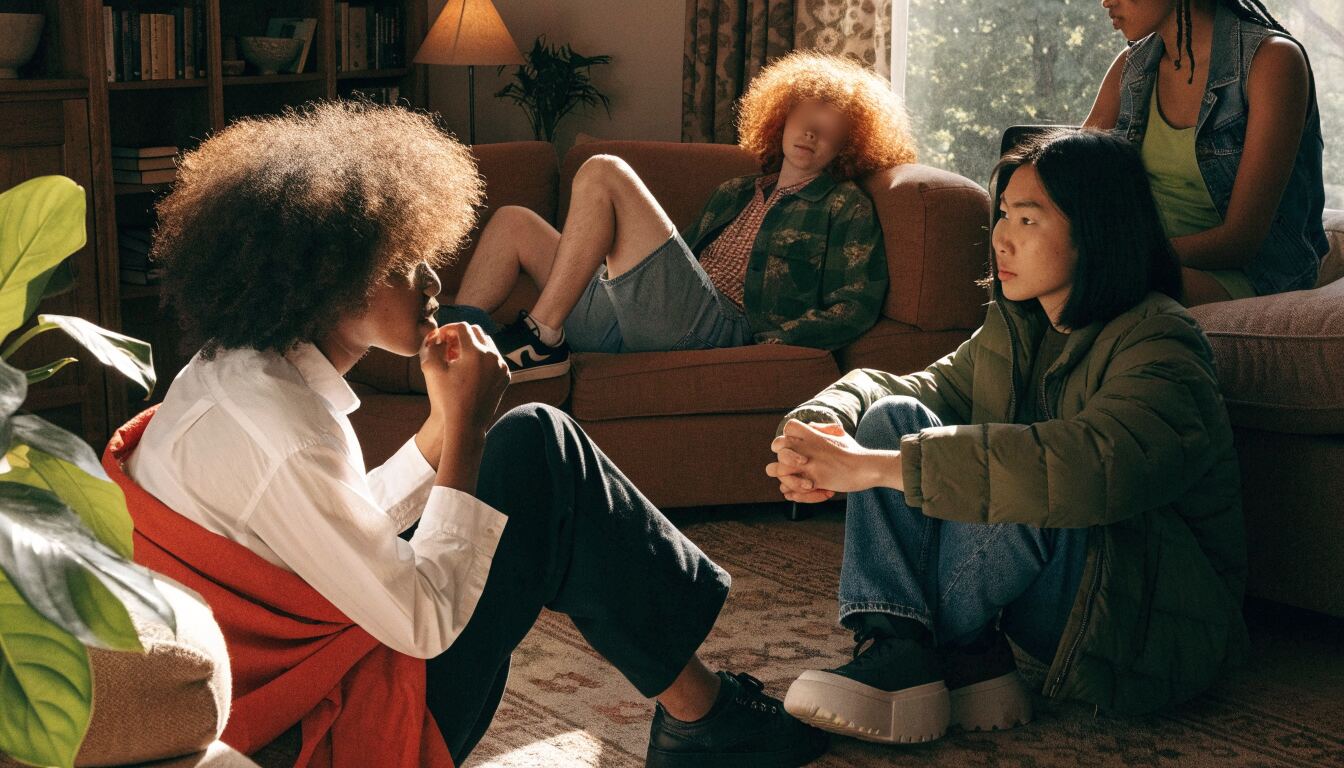
Bridging the generational gap doesn’t happen automatically, though. It requires deliberate effort. Event organizers can create opportunities for storytelling, whether through casual fireside chats, structured panel discussions, or even digital archives where members record short reflections. The key is to make space for listening. When a 25-year-old non-binary swinger hears a 60-year-old lesbian describe the first time she walked into a queer bar without fear, something shifts. The past becomes tangible. The community becomes deeper. And the younger person may feel a stronger sense of belonging, knowing they stand on the shoulders of those who came before.
Ideas for Fostering Cross-Generational Bonds
Building these connections takes creativity and intention. Consider these approaches for your next gathering:
- Host a “story night” where volunteers share short, personal tales about their journey into the lifestyle, with no pressure to perform or entertain.
- Create a buddy program that pairs newcomers with experienced members, not just for safety but for friendship and guidance.
- Schedule events at varied times and price points to accommodate different life stages, from late-night parties to Sunday afternoon socials.
- Encourage mixed-age seating at dinners or discussion groups, breaking up the natural tendency to cluster with peers.
- Use online forums or group chats to share articles, book recommendations, and personal essays that spark conversation across generations.
These aren’t complicated moves, but they signal that every voice matters. In a scene that sometimes prizes youth and novelty, honoring the wisdom of older members is a radical act of care.
Events That Celebrate Every Identity
The calendar of swinger events is changing, and that’s a good thing. Gone are the days when every party looked the same: same music, same dress code, same assumptions about who would pair off with whom. Today, hosts are experimenting with themed nights that reflect the full spectrum of human identity and desire. These events aren’t just about novelty; they’re about making sure that people who have historically been sidelined can see themselves in the center of the action.
Non-binary representation, for instance, is finally getting the attention it deserves. That means event themes that don’t rely on a strict gender binary, dress codes that allow for a range of expressions, and entertainment that showcases performers from across the gender spectrum. It also means actively inviting non-binary hosts, DJs, and educators to shape the event from the inside, not just appear as guests. When non-binary people see themselves reflected in the leadership of an event, the message is clear: this space was built for you, too.
Themed events can be a powerful tool for inclusion when done thoughtfully. A masquerade ball might allow someone to play with identity in a low-pressure way. A kink-focused evening might draw people who are curious about power dynamics but unsure where to start. A cultural celebration—say, a night centered on Latin music and food or a gathering that honors Black queer history—can bring together people who share a heritage as well as a lifestyle. The key is to approach these themes with humility. Themes should celebrate, not caricature. They should invite participation, not demand performance. And they should always be developed in consultation with the communities they aim to honor.
Making Themed Nights Work for Everyone
If you’re planning a themed event, keep these principles in mind:
- Involve members of the community you’re celebrating in the planning process, and compensate them for their time and expertise.
- Clearly communicate the theme’s intent and any expectations for attire or behavior, so no one feels confused or excluded.
- Offer a range of ways to participate, from full costume to simple accessories, so that budget or comfort doesn’t become a barrier.
- Use the theme as a conversation starter, not a gatekeeping tool. Someone who shows up in jeans should be just as welcome as someone in elaborate gear.
- Follow up after the event with a survey asking what worked, what didn’t, and how future themes could be more inclusive.
When themes are handled with care, they do more than entertain. They educate, they connect, and they remind everyone that the lifestyle is big enough for all kinds of people.
Real Challenges That Still Need Attention
For all the progress, it would be dishonest to pretend that LGBTQ+ and non-binary swingers face no obstacles. Stigma persists, even within communities that pride themselves on being open. A bisexual woman might be welcomed—until she expresses interest in another woman without a male partner involved. A non-binary person might be asked, again, to explain what that means, as if their identity were a topic for debate. Transgender swingers, in particular, often navigate a minefield of invasive questions, fetishization, and outright rejection. These experiences can be exhausting and isolating, even in spaces that claim to be inclusive.
Safety is another pressing concern. Not all venues are created equal, and a policy on paper doesn’t always translate to protection in practice. LGBTQ+ swingers may worry about harassment, outing, or physical harm in spaces where they don’t know the culture. For those who are also people of color, disabled, or from other marginalized groups, the risks multiply. It’s not enough to say, “Everyone is welcome here.” Communities must actively demonstrate that welcome through consistent action, clear reporting channels, and a willingness to remove bad actors.
The broader political climate adds another layer of stress. In many regions, anti-LGBTQ+ legislation is on the rise, from bathroom bills to restrictions on gender-affirming care. Even for those living in more progressive areas, the news can create a constant hum of anxiety. That anxiety doesn’t vanish at the door of a swinger party. It can make people hesitant to be open about their identities, to attend events, or to trust new acquaintances. Community leaders who ignore this reality do so at their peril. Acknowledging the political context, and offering support, can make a huge difference in how safe people feel.
Practical Ways to Address These Challenges
There’s no single fix, but a combination of small and large actions can move the needle:
- Establish a clear, easy-to-use reporting process for incidents of bias or harassment, and follow through with consequences.
- Offer resources at events, such as information about local LGBTQ+ support services or a quiet room for anyone who feels overwhelmed.
- Educate members about the difference between respectful curiosity and invasive questioning, especially around trans and non-binary identities.
- Build alliances with local LGBTQ+ organizations, inviting them to events and learning from their expertise.
- Recognize that safety looks different for different people, and avoid making assumptions about what someone needs to feel secure.
These steps require ongoing effort, not a one-time training session. But they’re essential for building a community that truly lives up to its values.
A Quick Look Back: LGBTQ+ Swinging Through the Decades
It’s easy to assume that swinging is a recent invention, but the roots run deep. Within LGBTQ+ circles, alternative relationship structures have existed for generations, often born of necessity. In eras when same-sex relationships were criminalized or heavily stigmatized, queer communities developed their own codes of conduct, their own gathering places, and their own ways of exploring intimacy outside traditional marriage. For many, consensual non-monogamy wasn’t a trendy experiment; it was a natural response to living outside society’s rules.
Those early spaces were often hidden, existing in private homes, underground bars, or secret clubs. The stakes were high, and trust was essential. People looked out for each other because no one else would. That legacy of mutual care still echoes in today’s swinger scene, even as the context has shifted. What was once whispered about is now discussed openly in online forums, podcasts, and social media groups. The visibility is new, but the impulse to form chosen families and explore desire freely is not.
Today’s trends reflect both continuity and change. The internet has made it easier than ever for LGBTQ+ and non-binary swingers to find each other, share advice, and organize events. Social media, in particular, has been a double-edged sword. It can amplify inclusive voices and challenge stereotypes, but it can also host toxic communities and surface-level judgments. The challenge for the current generation is to harness the best of these tools while staying grounded in the values that have always sustained queer communities: respect, consent, and mutual support.
How Social Media Shapes the Scene
Love it or hate it, social media has fundamentally changed how people find and experience the lifestyle. For LGBTQ+ and non-binary swingers, platforms like Instagram, TikTok, and private Facebook groups offer something precious: visibility. A young queer person in a small town can discover that there are others like them, that events exist, and that a welcoming community is within reach. That knowledge can be life-changing, especially for those who have felt isolated or ashamed of their desires.
Social media also allows for the sharing of stories and resources in real time. Someone can post about a positive experience at an inclusive club, and within hours, dozens of people might see it and feel encouraged to attend. Conversely, warnings about unsafe venues or predatory behavior can spread quickly, helping others avoid harm. This rapid information flow has made the community more connected and, in many ways, more accountable.
But the online world is not a substitute for real-world connection. It can be easy to curate a perfect image, to perform inclusivity without practicing it. It can also be a source of anxiety, as people compare themselves to others or feel pressure to present a certain way. The healthiest approach is to use social media as a tool, not a destination. Join groups that align with your values. Follow voices that educate rather than just entertain. And remember that the real work of building community happens face to face, in the quiet moments between conversations.
Activists and Advocates Leading the Way
Behind much of the progress in the swinger world are people who refuse to stay quiet. These are the organizers, educators, and everyday members who see a problem and decide to do something about it. Some are prominent figures with large followings, using their platforms to push for policy changes and cultural shifts. Others are grassroots activists working at the local level, hosting small events, moderating online forums, or simply showing up to support a friend in need.
Grassroots movements have been particularly effective in recent years. These efforts often start with a handful of people who are tired of the status quo. Maybe they’re frustrated by the lack of non-binary representation at local parties. Maybe they’ve experienced discrimination and don’t want others to go through the same thing. They start a group chat, organize a meetup, or launch a campaign to change a venue’s policies. Slowly, their work ripples outward, influencing how events are run and how people treat each other.
Advocacy also plays a crucial role in shaping formal policies. This can mean working with event organizers to draft codes of conduct, pushing for better training for staff, or creating reporting systems for harassment. It can also mean challenging harmful stereotypes within the community, such as the idea that bisexual women are only there for male entertainment or that trans people are a novelty. Advocacy is often slow, unglamorous work. But it’s the foundation on which lasting change is built. And in the swinger scene, as in every community, that change starts with a few brave voices.
Ways to Get Involved
You don’t need a big platform to make a difference. Here are some accessible ways to support inclusivity in your local scene:
- Attend events hosted by LGBTQ+ and non-binary organizers, and bring friends who might not otherwise go.
- Speak up when you hear jokes or comments that demean someone’s identity, even if it feels awkward.
- Offer to volunteer at events, helping with setup, greeting, or safety teams.
- Share resources and educational content with your social circle, normalizing conversations about gender and sexuality.
- Support venues that demonstrate a real commitment to inclusion, and let them know why you’re choosing them.
Every small action adds up. The more people who commit to this work, the more the community as a whole benefits.
Connection Through Stories and Shared Moments
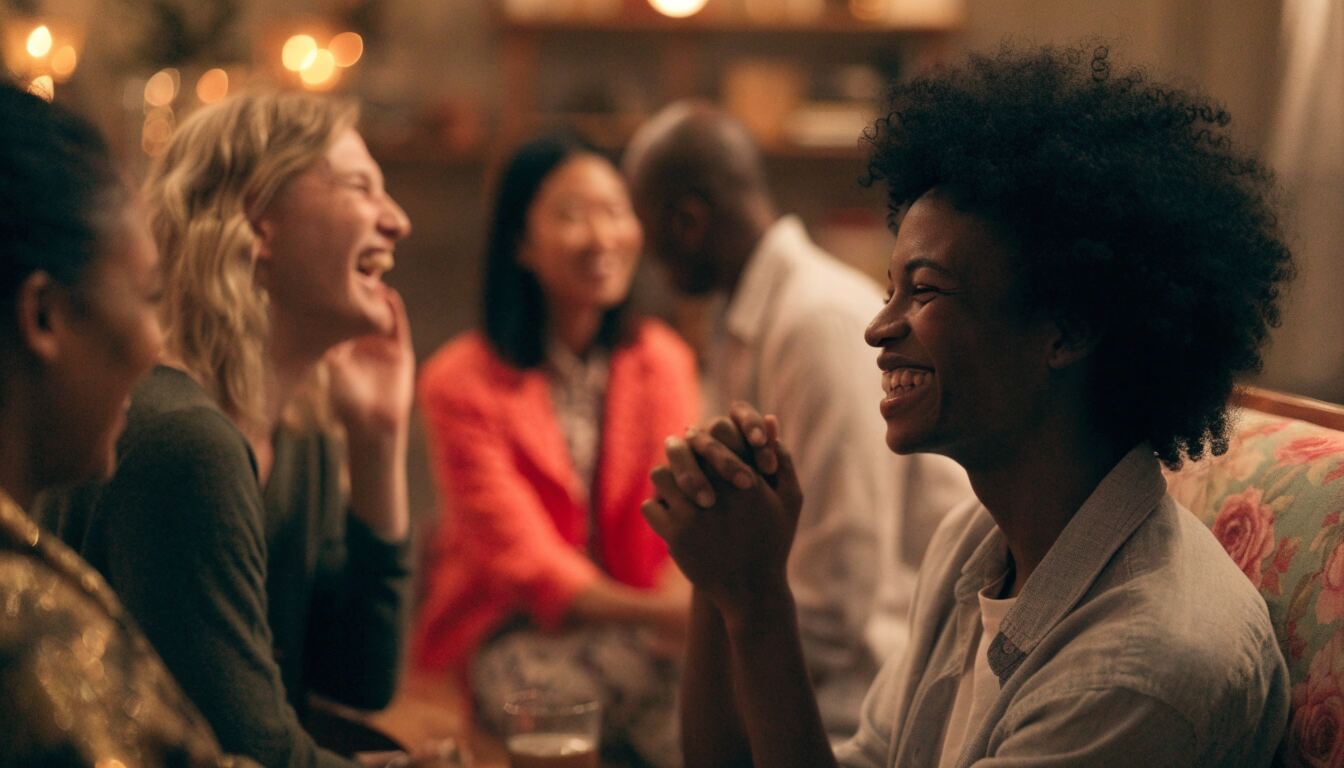
At its core, the swinger lifestyle is about connection. It’s about meeting people, exploring desires, and building relationships that may last a night or a lifetime. For LGBTQ+ and non-binary individuals, that connection is often deepened by shared experience—the knowledge that someone else understands what it’s like to navigate a world that doesn’t always see you clearly. Stories are the glue that holds this together. When people share their journeys, they create bridges of empathy and understanding.
Group activities can be a powerful way to foster this sense of belonging. A game night might seem simple, but it creates a low-pressure environment where people can laugh and talk without the intensity of a play party. A workshop on consent or communication can build trust and give people tools they’ll use for years. Even a potluck dinner, where everyone brings a dish that means something to them, can become a celebration of cultural and personal identity. These moments matter because they remind people that they are more than their sexual preferences. They are full human beings with stories, tastes, and histories.
Support networks are equally vital. For someone who is newly out or exploring non-monogamy for the first time, knowing that there are people who will listen without judgment can be a lifeline. These networks might take the form of online groups, local meetups, or simply a circle of friends who check in regularly. They provide a place to vent, to ask questions, and to celebrate victories. In a world that can feel isolating, these connections are a form of resistance and a source of strength.
Looking Ahead: A More Welcoming Lifestyle
The future of swinging is being written right now, and the authors are more diverse than ever. LGBTQ+ and non-binary individuals are not just participating in the scene; they are transforming it. They are demanding better, and they are building it themselves. The venues and events that thrive in the coming years will be those that understand a simple truth: people want to feel seen. They want to walk into a room and know that they belong, not despite who they are, but because of it.
That doesn’t mean the work is done. Stigma, safety concerns, and political pressures remain real. But the momentum is undeniable. More spaces are opening their doors—and their minds—to a wider range of identities. More conversations are happening about what true inclusivity looks like, not just in words but in practice. And more people are finding the courage to show up as themselves, trusting that the community will meet them with respect.
Building this future takes all of us. It takes hosts who are willing to examine their assumptions. It takes members who are willing to speak up and listen. It takes a commitment to learning, to apologizing when we get it wrong, and to doing better next time. The reward is a lifestyle that is richer, kinder, and more vibrant than ever before. And that’s something worth celebrating.
Answers to Common Questions
What makes a space truly safe for LGBTQ+ and non-binary people?
A safe space is one where people can be themselves without fear of judgment or harm. That means clear anti-discrimination policies, gender-neutral facilities, respectful language, and staff or hosts who know how to handle issues quickly. It also means an atmosphere where questions are asked with respect and boundaries are honored.
Why does inclusivity matter in swinger communities?
Inclusivity ensures that everyone, regardless of identity, can participate fully and feel valued. It leads to a more diverse, dynamic community where different perspectives enrich the experience for all. When people feel safe and accepted, they’re more likely to connect authentically and contribute positively.
How can older LGBTQ+ members support younger swingers?
Older members can share their stories and hard-won wisdom, offering context and encouragement. Mentorship programs, storytelling events, and casual conversations all help bridge the generational divide. This exchange strengthens the community by honoring its history while embracing new ideas.
What challenges do LGBTQ+ and non-binary swingers still face?
Stigma and misunderstanding persist, even in open-minded circles. Safety concerns, invasive questions, and the broader political climate can all create barriers. Addressing these challenges requires consistent education, clear policies, and a commitment to holding people accountable.
How has social media changed the LGBTQ+ swinging community?
Social media has made it easier to find events, connect with like-minded people, and share resources. It has amplified inclusive voices and helped spread warnings about unsafe spaces. However, it can also create pressure and surface-level judgments, so it’s best used as a tool rather than a replacement for real connection.
What role does activism play in the swinger scene?
Activism pushes for policies that protect LGBTQ+ and non-binary people and promotes a culture of respect. Activists organize events, advocate for better training, and challenge harmful stereotypes. Their work is essential for creating lasting change and ensuring that the community lives up to its values.