Getting Acquainted with Sensation Tools
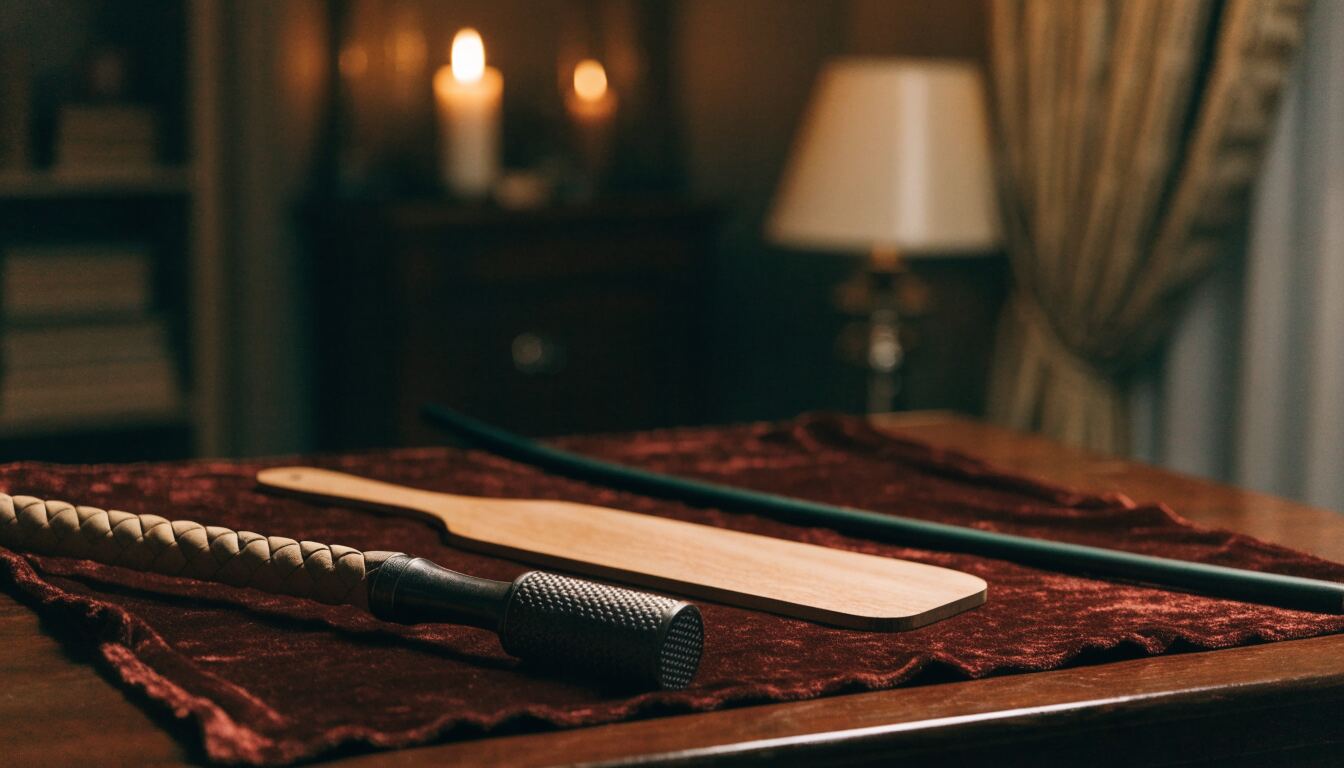
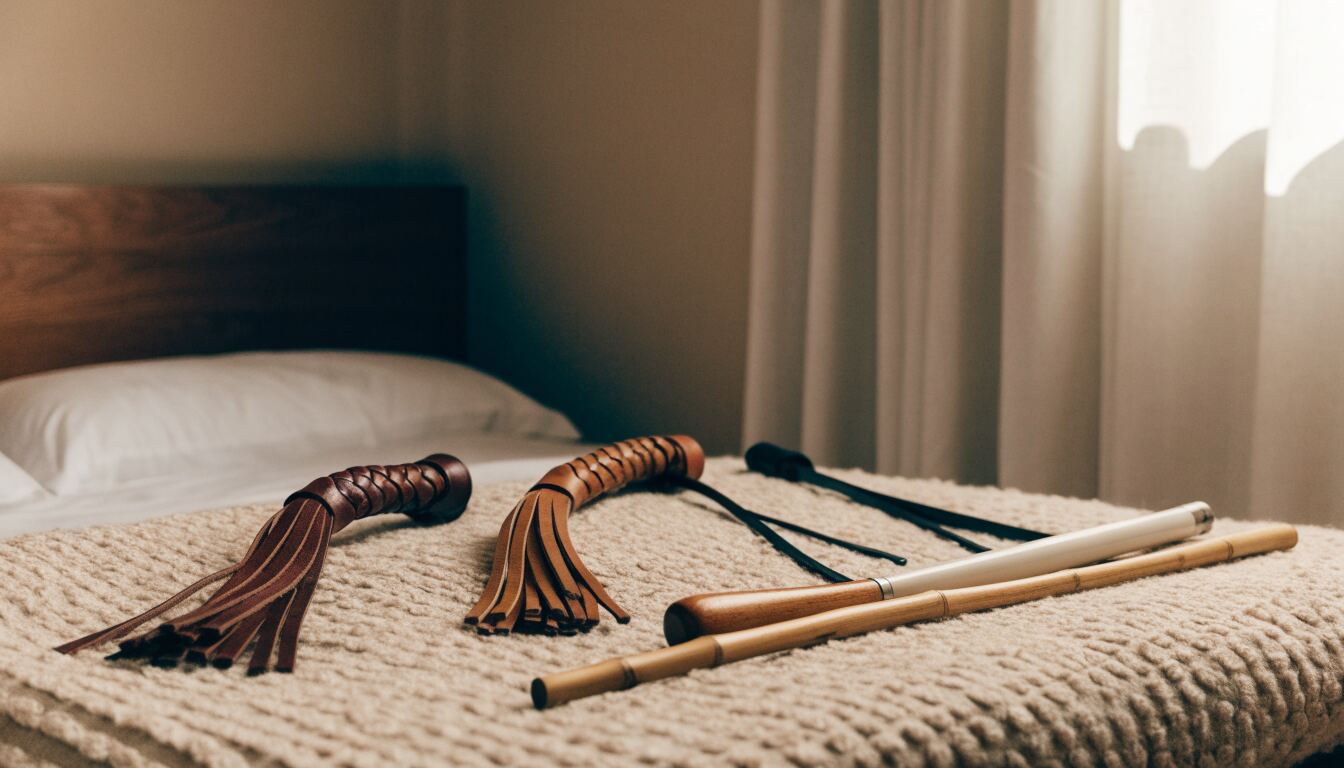
Embarking on the path of impact play can feel like stepping into a vast, unfamiliar world. The variety of implements available—each with its own personality, heft, and effect—might seem daunting at first glance. Yet, beneath that initial complexity lies a deeply rewarding way to connect with a partner, explore physical boundaries, and discover new layers of intimacy. This piece is designed as a gentle introduction, breaking down the core characteristics of four popular categories: floggers, crops, canes, and whips. We'll explore what kind of sensations they produce, how they differ from one another, and how to approach the selection process with confidence and care. Think of it as learning the notes before playing a melody; once you understand each instrument's voice, you can begin composing your own unique experiences.
At its heart, impact play is about deliberate, consensual physical contact using objects to create a spectrum of feelings. It's not merely about force or endurance; it's a dialogue expressed through touch, rhythm, and intensity. Just as a painter selects different brushes for texture, participants choose tools based on the sensory landscape they wish to create. Some implements deliver a broad, resonant thud that feels grounding and enveloping. Others offer a crisp, focused sting that snaps attention to a single point. Understanding these fundamental differences is the first step toward safe, satisfying exploration. Before ever picking up a toy, partners should engage in open, honest conversations about desires, curiosities, and limits. This groundwork of communication transforms the experience from a mechanical act into a shared journey.
Safety, naturally, stands as a non-negotiable pillar. This involves not only emotional preparedness but also practical knowledge about where on the body to land strokes and where to avoid. Certain areas are rich with nerve endings or protected by little padding, making them vulnerable to injury. Learning basic anatomy as it relates to impact is an act of care. Additionally, starting slowly with any new tool allows both the giver and receiver to calibrate. The giver learns the implement's weight, swing arc, and required precision, while the receiver acclimates to the sensation and provides real-time feedback. This gradual, attentive approach transforms what could be a risky activity into a controlled, mutually enjoyable practice.
For many newcomers, the terminology itself can be a barrier. Words like "thuddy" and "stingy" get thrown around, but what do they actually mean? A thuddy sensation is deep and diffuse, often compared to a firm, percussive massage. It vibrates through muscle and can feel soothing or powerfully grounding. A stingy sensation, conversely, is sharp and surface-level, like a quick snap that leaves a warm, tingling aftermath. Different tools lean toward one or the other, though technique can shift the balance. A flogger, for instance, is typically thuddy due to its many falls spreading the force, while a cane is almost purely stingy because of its rigid, narrow striking surface. Knowing which type of sensation you're drawn to can guide your first purchase.
This guide will walk you through each tool category in detail, offering practical tips for absolute beginners. We'll discuss ideal target zones, how to practice your technique safely, and how to gradually progress your skills. Remember, there is no universal "best" toy; there is only the one that aligns with your shared interests, comfort levels, and the specific sensations you wish to explore together. Approach the learning process with curiosity rather than pressure, and view every session as an opportunity to learn more about yourself and your partner.
Floggers: The Welcoming Introduction to Impact
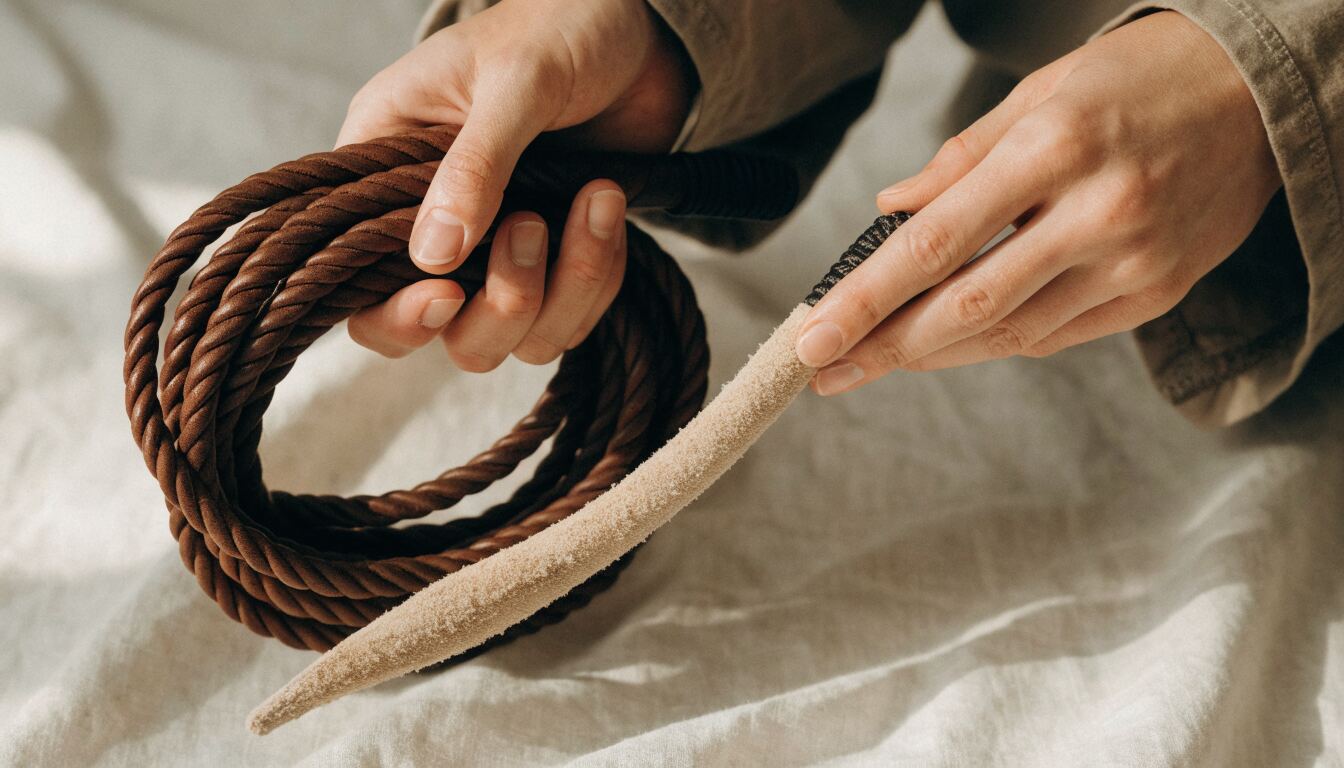
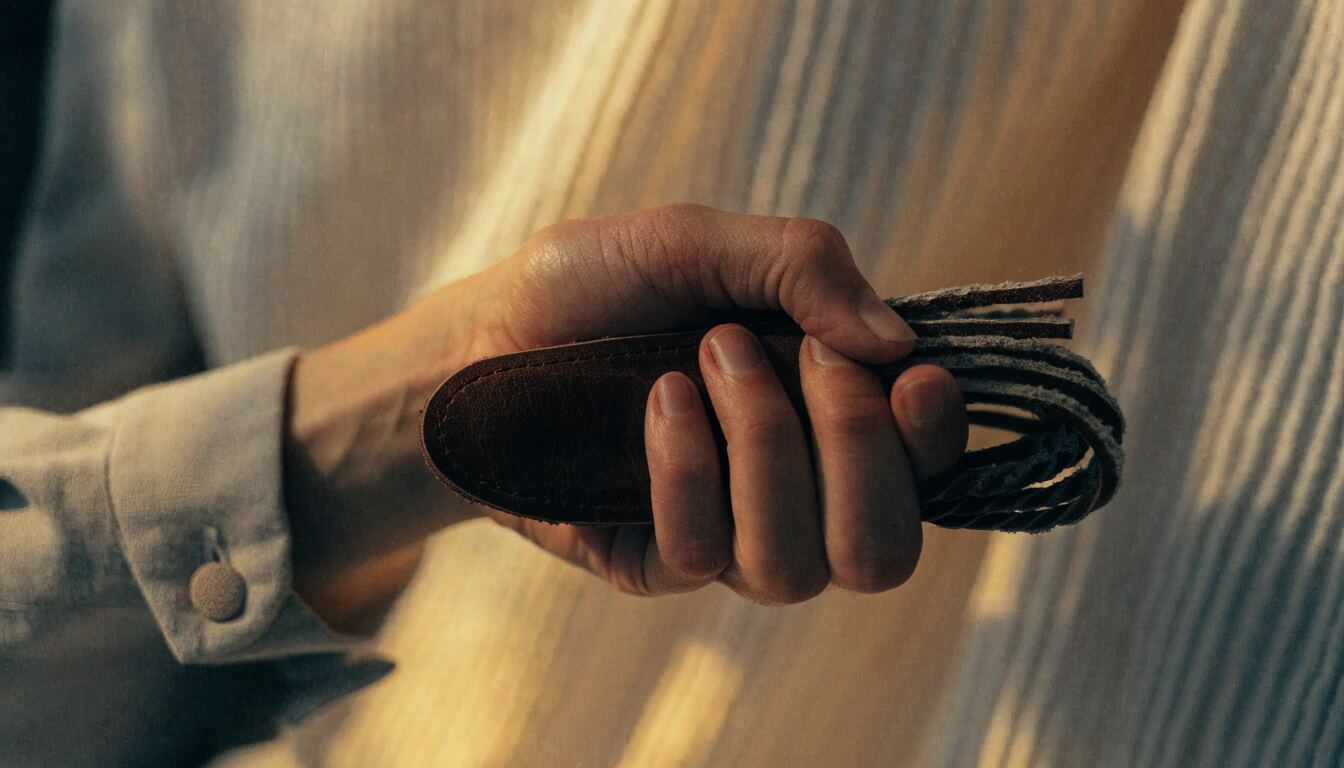
When people ask where to begin their collection, floggers are almost universally recommended. Their design inherently makes them more forgiving for the inexperienced hand. Picture a sturdy handle from which numerous strands, or falls, cascade. These tails can be crafted from a wide range of materials—soft, brushed suede for a gentle caress; heavier, oiled leather for a more substantial presence; or even synthetic fibers for easy cleaning. When swung, the falls separate and land over a broad patch of skin, dispersing the energy of the blow. This distribution is the key to their beginner-friendly nature; it significantly reduces the chance of an accidentally sharp, overwhelming strike.
The primary sensation a flogger provides is that deep, thuddy feeling. It's less a bite and more a rolling, percussive boom that travels through the tissue. This makes floggers excellent tools for warming up the body, gradually increasing blood flow and sensitivity before moving to more intense implements. They're also fantastic for extended play sessions because the broad impact can be sustained without causing localized soreness too quickly. The receiver often finds the rhythmic, thudding pattern to be deeply relaxing or meditative, akin to a vigorous massage. Experimenting with different materials and fall counts can fine-tune the experience. A flogger with many thin, soft falls will feel airy and light, while one with fewer, thicker, heavier falls will deliver a much weightier, more pronounced thud.
For the person wielding it, a flogger offers a generous learning curve. The large surface area means you don't need pinpoint accuracy from the start. You can focus on developing a smooth, consistent rhythm and learning to control the speed and force of your swing. A great way to practice without a partner is to use a pillow or the back of a chair as a target. Pay attention to how your wrist and arm move, and listen to the sound the falls make upon landing. This solo practice builds muscle memory and confidence. When you do involve a partner, begin with large, fleshy areas like the upper back (avoiding the spine and shoulder blades) and the buttocks. These areas have ample padding and can comfortably absorb the sensation.
Maintenance is also a factor to consider. Leather floggers may require occasional conditioning to keep the falls supple and prevent cracking. Suede needs gentle brushing to remove skin oils. Storing your flogger properly, either hanging or laid flat without kinks in the tails, will extend its life and ensure it performs predictably every time. As you grow more comfortable, you can explore techniques like figure-eight swings or using the tips of the falls for a slightly stingier accent. The flogger's versatility means it can remain a staple in your kit even as your interests evolve, transitioning from a beginner's first tool to a reliable favorite for warm-ups and sensual, full-contact play.
Crops: A Focused Step Up in Sensation
Once you've become familiar with the broad, enveloping thud of a flogger, a crop presents an opportunity to explore a different tactile language. While a flogger speaks in a wide, resonant voice, a crop communicates with a precise, sharp whisper. The design is simple and elegant: a rigid shaft, often wrapped in leather or a synthetic material, ending in a small, flat, flexible tip called a popper. This single point of contact is what defines the crop's character. Instead of diffusing force, it concentrates it onto a very specific spot, creating a sensation that is distinctly stingy and immediate.
This focused impact makes crops wonderful tools for teasing and for delivering contrast. Imagine a scene where a flogger has been used to create a warm, overall glow. A sudden, light tap from a crop on the outer thigh introduces a completely different note—sharp, attention-grabbing, and electric. The controllability of a crop is one of its greatest assets. Because it's relatively short and stiff, you can aim with great precision, making it suitable for targeting specific areas that respond differently to stimulation. The outer thighs, the fleshy curve of the buttocks, and even the soles of the feet (with extreme care) can become canvases for this stinging sensation.
For the beginner moving beyond floggers, the crop is an ideal next step because it still offers a high degree of control. The intensity is easily modulated by how much wrist action you employ. A soft flick of the wrist produces a light, tapping sting, while a firmer, more deliberate motion creates a much more intense and lasting bite. Start by practicing the motion without making contact, getting a feel for the crop's balance and how your wrist movement translates to the tip's speed. When you begin with a partner, always start with the gentlest possible taps on safe, fleshy zones and ask for immediate feedback. A simple "How was that on a scale of 1 to 5?" can provide clear, quantifiable data to guide your next stroke.
Crops are also relatively quiet in use compared to some other tools, which can be an advantage in certain living situations. The sound is a crisp "thwack" rather than a loud crack. Visually, the crop's silhouette carries a certain aesthetic that many find appealing, adding a psychological layer to the physical sensation. The act of pointing with the crop, lightly tracing it over the skin before a strike, builds anticipation, which is a powerful element in sensation play. As with all tools, inspect your crop regularly for any signs of wear, especially where the popper attaches to the shaft. A loose popper could fly off during use, posing a safety risk. With practice, the crop becomes an extension of your hand, capable of painting a diverse landscape of sharp sensations across your partner's skin.
Canes: Precision Instruments for the Experienced
Canes represent a significant leap in intensity and required skill. Unlike the flexible falls of a flogger or the padded tip of a crop, a cane is typically a rigid or semi-flexible rod, often crafted from natural materials like rattan or bamboo, or synthetics like fiberglass or acrylic. This rigidity means there is virtually no absorption of force by the implement itself; almost all the energy of the swing is transferred directly to the point of contact. The result is an extremely focused, sharp, and often intense sting that can be profoundly felt. This is not a tool for casual experimentation; it demands respect, practice, and a thorough understanding of both technique and anatomy.
The hallmark of a cane is its precision. Because the striking surface is a thin line, the person wielding it can target highly specific areas. This precision, however, is a double-edged sword. A well-aimed stroke on a meaty, safe area can be intensely satisfying for those who crave that sensation. A poorly aimed stroke that lands on a bone, a joint, or the sensitive kidney area can cause serious, immediate injury. Therefore, extensive solo practice is non-negotiable. Many experienced players spend hours practicing their aim on a pillow or cushion, drawing targets to ensure they can consistently land the tip of the cane exactly where they intend. The goal is to make the strike deliberate and controlled every single time, never accidental.
When incorporating a cane into partner play, the primary target area is almost exclusively the buttocks, where the thick muscle provides necessary protection. Even then, one must be mindful of the tailbone, the hip bones, and the crease where the buttock meets the thigh. The sensation from a cane is purely stingy, often described as a hot, biting line that can linger and develop into a deeper ache. Because of its intensity, the warm-up is crucial. One should never begin a scene with a cane. A proper, gradual build-up using hands or floggers prepares the body, increasing blood flow and endorphin levels, which can make the cane's sensation more manageable and integrated into the overall experience.
Communication during cane play must be exceptionally clear and continuous. The receiver needs to feel empowered to give granular feedback, and the giver must be attuned to both verbal and non-verbal cues. The pace is often slower than with other toys, with time between strokes to breathe, process, and communicate. After a session, the skin will likely show marks; thin, parallel lines called tramlines may appear. Understanding how to provide appropriate aftercare for the skin, such as applying a cool compress or arnica gel, is part of the responsibility of wielding this advanced tool. Canes are not for everyone, and that's perfectly fine. They exist on the far end of the sensation spectrum, offering a unique, intense experience for those who have built up the requisite knowledge and trust.
Whips: The Art and Complexity of the Lash
Whips occupy a unique and often misunderstood place in the world of impact play. The term is frequently used loosely, but a true whip, such as a bullwhip or signal whip, is a distinct instrument consisting of a handle and a long, tapering lash that can be many feet in length. The physics of a whip are complex; the lash is designed to accelerate to incredible speeds, and the iconic "crack" is actually a small sonic boom created when the tip breaks the sound barrier. This speed and the potential energy involved mean whips are inherently the most challenging and potentially dangerous category of tool discussed here. They are unequivocally for advanced practitioners who have dedicated significant time to mastering their craft.
The sensation from a whip is dramatically different from other implements. It can range from a soft, teasing caress with the length of the lash to an intensely sharp, localized sting when only the cracker (the very tip) makes contact. The psychological component is immense; the sound of the whip cracking in the air, even without contact, can be a powerful element of a scene, building anticipation and fear in a controlled, consensual context. Because of the lash's length and flexibility, controlling it requires full-body coordination and a deep understanding of its mechanics. The risk of "wrap-around," where the lash coils around a limb or torso and the tip strikes an unintended area, is significant and can cause severe pain and injury. This is why learning from an experienced mentor or taking specialized workshops is the only responsible way to begin with whips.
If you are drawn to the aesthetic and sensation of a whip but are relatively new to impact play, there are safer alternatives to explore first. A "serpent's tongue" flogger, which has just two long, tapered falls, can mimic some of the focused sting of a whip while being much easier to control. Similarly, a short "quirt," a type of short, multi-tailed whip used historically by horsemen, offers a stepping stone. These tools allow you to explore a similar sensation profile within a more manageable framework. The dedicated practice required for a full-sized whip involves countless hours spent targeting inanimate objects, learning to throw the lash so it unfurls perfectly straight and the cracker lands with precision, not just force.
Space is another critical consideration. Whips require a large, clear area free of obstacles, ceiling fans, and fragile objects. The person on the receiving end must be positioned correctly, and the person throwing the whip needs an unobstructed arc of motion. Eye protection for both parties is a sensible precaution. The level of trust required is profound, as the receiver is placing their well-being in the hands of someone operating a tool that can cause damage in a split second. For those who have the patience, discipline, and respect for the art form, the whip can be a transcendent instrument of sensation, but it represents a long-term commitment to learning rather than a casual purchase.
Decoding Sensations: Thuddy vs. Stingy
Throughout this guide, the words "thuddy" and "stingy" have been used to categorize sensations. Developing a clear understanding of this spectrum is one of the most helpful things you can do when choosing toys and communicating with a partner. Think of these not as binary categories but as two ends of a sliding scale. Most implements can produce a blend of both depending on their material, design, and how they are used, but each has a primary leaning. A thuddy sensation is one you feel deep in your muscles. It's a low-frequency vibration that can feel like a powerful, resonant bass note. It's often described as satisfying, grounding, and more easily absorbed for longer periods. Implements that are heavier, have a larger surface area, or are made of softer materials tend to produce thud. A heavy, wide-tailed leather flogger is a classic thuddy tool.
On the other end of the scale, a stingy sensation is all about the surface. It's a high-frequency, sharp, and immediate feeling that makes the skin tingle and burn. It's the snap of a rubber band, the bite of a thin switch. Stingy sensations are more "loud" in terms of the body's immediate alarm response; they grab your attention instantly. Light, rigid, and narrow implements are the primary vectors for sting. A thin acrylic cane, a well-aimed crop, or the cracker of a whip produce this sensation in spades. The body's reaction to each is also different. A thuddy impact can promote relaxation and a sense of being deeply touched, while a stingy impact can be energizing and create a sharp, endorphin-fueled high.
Why does this distinction matter for a beginner? It allows you to have a more nuanced conversation about desires. Instead of simply saying, "I want to try being hit," a person can say, "I'm curious about that deep, thuddy sensation I've heard about, maybe from a flogger." Or, "I think I'd like to experiment with something sharper and more focused, like a crop." This vocabulary empowers both partners to co-create a scene with intention. You can even structure a session to move along the spectrum, starting with thuddy warm-ups and gradually introducing stingier elements as the session progresses and the receiver's endorphins kick in. Understanding the sensory profile of each tool helps you build a dynamic, varied, and consensual experience that goes far beyond just "harder" or "softer."
Mapping the Body: Where to Land and Where to Avoid
Knowledge of anatomy is just as important as knowledge of your toys. The human body has areas that are wonderfully suited for impact play and others that are absolute no-go zones due to the presence of delicate organs, unprotected bones, or major nerve clusters. Always, always prioritize safety by sticking to the recommended areas, especially when you are learning a new tool. The golden rule is to aim for large, fleshy, well-padded muscle groups. These areas can absorb and distribute the force of a strike, turning it into sensation rather than injury. The buttocks are the prime target for almost all impact play. They offer a large canvas with thick gluteal muscles providing excellent protection. You can use a variety of tools here, from broad floggers to precise canes, with relative safety.
The upper back is another commonly used area, but it requires much more caution. The safe zone is the meaty part of the back, away from the spine and the shoulder blades. The spine itself is a column of bone with little padding, and a direct hit can be extremely painful and cause damage. The shoulder blades are also bony and vulnerable. When using a flogger on the upper back, the falls should land across the muscles on either side of the spine, never directly on the bony protrusions. The kidneys, located on the lower back just below the rib cage, are a critical danger zone. A strike to this area can cause severe internal injury. As a simple rule, avoid the entire lower back area from the bottom of the ribs to the top of the pelvis. The thighs, particularly the outer, fleshy part, can be a good target for tools like crops, but again, be careful to avoid the hip bone and the knee joint.
The list of areas to completely avoid is non-negotiable. The head, face, and neck are strictly off-limits. They house the brain, eyes, major blood vessels, and the windpipe, all of which are too vulnerable. Joints of any kind—knees, elbows, wrists, ankles—are complex structures with little padding and should never be struck. Bony prominences like hip bones, the tailbone, and the spine are also to be avoided. The abdomen and chest require extreme care; while some very experienced players may engage in light play here, it is generally advised for beginners to avoid these areas entirely due to the presence of organs and, for those with breasts, sensitive glandular tissue. The feet and hands are full of small bones and nerves, making them a high-risk target for anything beyond a very light, glancing touch. Memorizing these safe and unsafe zones is a fundamental act of care that protects your partner and allows you to play with confidence.
Developing Your Technique and Building Confidence
Having the right tool and knowing where to aim is a great foundation, but technique is what brings it all together and ensures a safe, enjoyable experience. Good technique is not about brute strength; it's about control, consistency, and economy of motion. Start with your stance. Plant your feet shoulder-width apart to create a stable base. This prevents you from overbalancing when you swing. The motion for most impact toys should originate from your arm and wrist, not your entire body. Trying to throw your whole weight into a swing leads to a lack of control and rapid fatigue. Think of it like throwing a dart—a smooth, focused motion is more effective than a wild, forceful heave. Practice the motion without a toy first, just getting used to the fluid movement from your shoulder to your elbow to your wrist.
When you first pick up a new implement, spend time simply getting to know it. Feel its weight and balance. Swing it through the air, listening to the sound it makes. For floggers, practice a basic figure-eight pattern, which allows for a continuous, rhythmic flow without having to stop and reset after each stroke. The goal is to make each stroke look effortless and land with the same consistent force. Varying the force is a core skill. A session should be a journey, not a monotonous drumbeat. Learn to deliver a soft, teasing stroke, a medium, warming stroke, and a firmer, more intense stroke, and be able to move between them smoothly. This dynamic range is what makes play engaging and responsive to your partner's feedback.
That feedback is your most important guide. Never assume you know what your partner is feeling. Check in regularly, using simple, direct questions. Watch their body language: are they breathing deeply and leaning in, or are they tensing up and pulling away? Flinching is a reflex, but a repeated, anticipatory flinch before you even swing might indicate anxiety rather than excitement. Build in breaks where you pause the impact and use a soothing touch with your hands. This contrast can heighten the overall experience and gives both of you a moment to reconnect. After a session, a debrief is invaluable. Talk about what worked, what didn't, and what you might want to try differently next time. This post-play communication, often part of aftercare, is how you grow together and refine your shared practice. Remember, the most technically perfect stroke is a failure if it wasn't what your partner wanted in that moment. Mastery lies in the dialogue between you, your partner, and the tool.
Building a Foundation of Mutual Agreement and Care
Before exploring the sensations these tools can create, it’s essential to anchor everything in clear, ongoing agreement. Striking another person—even with the lightest touch—requires enthusiastic permission. This isn’t simply about dodging physical harm; it’s about fostering an environment where everyone feels genuinely seen and safe. Think of it as crafting a shared contract that evolves throughout your time together. Without this groundwork, the experience loses its meaning.
Keeping the Conversation Alive
The most vital step happens long before any item leaves its storage spot. Sit down with your partner and have an unhurried, honest discussion. Map out your individual thresholds: Which types of contact spark curiosity? Where do you draw a firm line? Frame it like co-creating a menu for a meal you’ll both savor—you’d never start cooking without knowing dietary restrictions or flavor preferences. Cover the specific instruments you’ll introduce, the body regions you’ll focus on, and the force you’re aiming for. This dialogue shouldn’t be a one-time checklist; it’s a continuous stream of check-ins. Use simple signals like a color system (green for “more,” yellow for “pause,” red for “stop”) to keep the connection fluid. When both people feel heard, the scene transforms from a technical exercise into a genuine exchange.
Navigating Different Comfort Levels
No two individuals process physical input identically. A sensation that one person describes as a warm, pleasant buzz might land as a jarring spike for someone else. This isn’t a contest—there’s no trophy for enduring more. The real skill lies in tuning into your partner’s unique responses. Begin with feather-light touches and watch for subtle cues: a shift in breathing, a tensing of muscles, or a verbal murmur. Ask direct questions between sets of strokes. The objective isn’t to test limits but to discover a rhythm where pleasure and connection overlap. If you’re the one receiving, practice voicing your feedback without hesitation. A simple “that’s too much” or “keep that exactly the same” builds a roadmap for your partner to follow. Over time, you’ll develop a shared language that makes each session more intuitive.
Choosing Where to Place Your Attention
The body map has zones of varying resilience, and knowing the difference is a key safety measure. Fleshy, well-padded regions absorb impact best: think the rear, the upper portions of the thighs, and the meatier sections of the upper arms. These areas have natural cushioning that disperses force. Conversely, steer clear of any spot with vital organs close to the surface. The lower back shields the kidneys, so it’s strictly off-limits. Joints like knees and elbows are delicate structures with little protection. The neck, stomach, and any bony prominences—hip pointers, tailbone, spine—demand the same respect. Existing injuries or chronic pain sites are absolute red zones. When you’re uncertain, imagine a rule of thumb: if you can feel bone easily beneath the skin, find a different canvas. Keeping a mental checklist of safe zones prevents accidents and keeps the focus on enjoyment.
Easing In and Reflecting Afterward
Resist the urge to jump to intense techniques right away. A gradual build-up serves both safety and satisfaction. Start with the simplest tool available—your own palm—or a broad, soft flogger that diffuses its touch. Let the receiver guide the pace, increasing intensity only when they explicitly invite it. Think of it as warming up muscles before a workout; the body needs time to acclimate. After you’ve wrapped up the active portion, set aside dedicated time for a debrief. This isn’t just a casual chat; it’s a structured moment to unpack what unfolded. Discuss the highlights, the moments that felt off, and any curiosities that surfaced for future exploration. This reflection loop strengthens trust and turns each encounter into a stepping stone for richer experiences. Pair it with aftercare—whether that’s a blanket, a glass of water, or quiet closeness—to help both partners transition back to everyday headspace smoothly.
Putting It All Together
We’ve walked through the distinct personalities of floggers, crops, canes, and whips, and dug into the practices that make them safe and fulfilling. The connecting thread through all of it is partnership: the willingness to communicate openly, respect boundaries, and grow together. Whether your taste leans toward a deep, rumbling thud or a crisp, pointed sting, there’s a tool matched to that craving. The adventure lies in discovering what resonates for both of you. Begin gently, stay curious, and prioritize the shared joy above all else. When you approach it as a collaborative journey, the possibilities expand far beyond the toys themselves.
Common Questions Answered
How do floggers and whips differ in use and feel?
A flogger typically features numerous tails that spread the contact across a wider surface, creating a more diffused, mellow sensation. A whip, by contrast, usually has a single tail that concentrates its energy into a narrower, sharper snap. For newcomers, floggers offer a more forgiving introduction because the impact scatters rather than focuses. Whips demand greater precision and practice to wield safely, making them a later-stage exploration for many.
Which implement suits a beginner best?
Start with a flogger made from soft materials like suede or faux fur. The multiple tails distribute force, reducing the chance of overwhelming the receiver and giving the wielder a wider margin for error. It’s an excellent tool for learning rhythm and aim without intense sting. As confidence grows, you can branch out to other options.
What do “thuddy” and “stingy” actually mean?
These terms describe the quality of sensation. A thuddy tool—like a heavy, wide paddle or a flogger with thick, dense falls—delivers a deep, diffuse pressure that resonates through the muscle. A stingy tool—such as a thin cane or a small crop—produces a fast, surface-level bite that fades quickly. Neither is superior; it’s purely about the flavor of experience you’re seeking.
Which body parts should I never strike?
Always bypass the lower back to protect the kidneys, and avoid joints, the neck, and the stomach. Bony landmarks like the tailbone, hip crests, and spine are also high-risk. Stick to well-muscled or fatty areas, predominantly the buttocks and upper thighs, where the body’s natural armor provides a buffer.
How can I gauge the right amount of force?
Begin at the lightest level and treat every strike as a question your partner answers. Use a numerical scale—perhaps 1 to 5—where 1 is barely a tap and 5 is the maximum they’ve agreed to. After each stroke or cluster of strokes, ask where they’d place it on that scale. This removes guesswork and builds a clear, mutual understanding of intensity.
Are household objects safe for impact play?
While items like wooden spoons or rulers can technically be used, they come with caveats. These objects weren’t designed for this purpose and may splinter, snap, or deliver uneven force. If you do repurpose something, inspect it thoroughly for cracks or rough edges, and negotiate its use beforehand. Purpose-built toys are generally a wiser, more reliable investment for consistent safety.