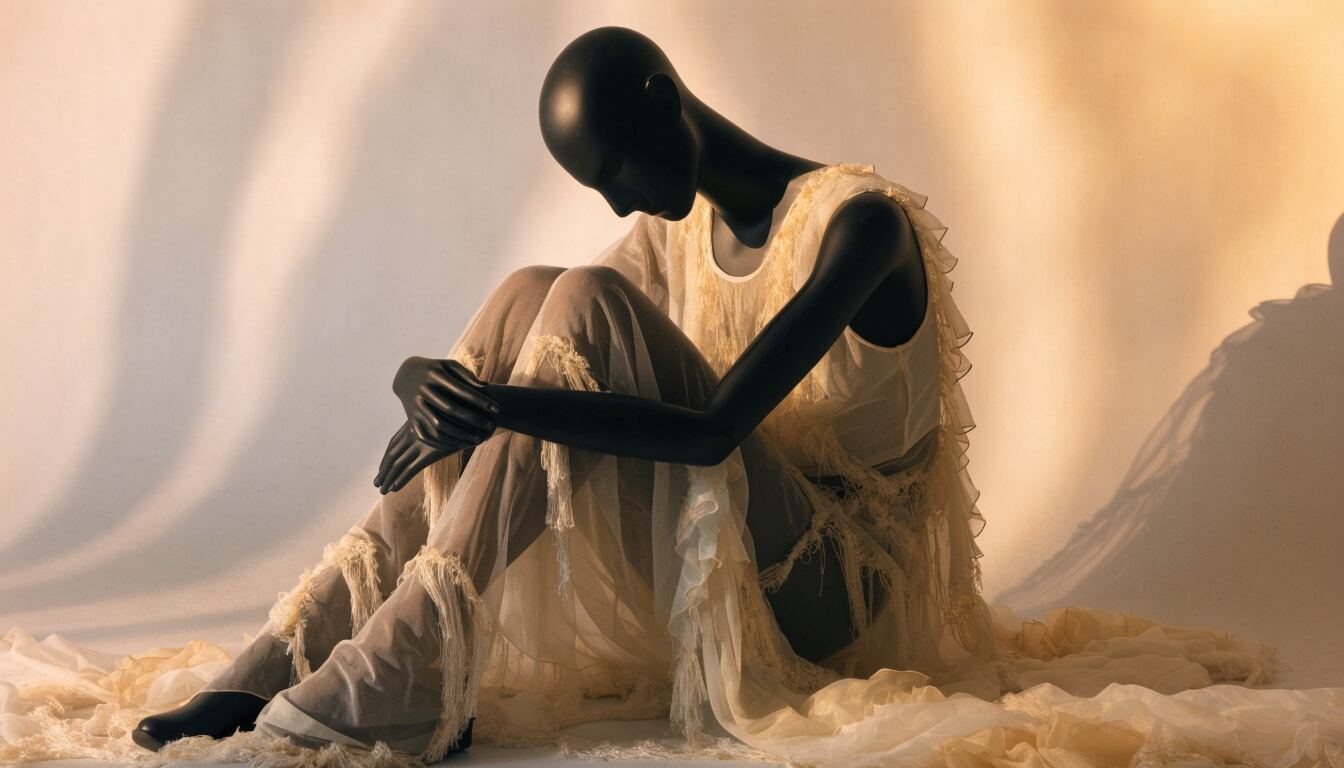
A Fresh Look at Clothing and Cultural Narratives
Have you ever glanced at a runway show or flipped through a magazine and felt like the outfits were telling a story beyond just fabric and thread? Often, what we wear carries layers of meaning about who we are supposed to be. This piece isn't about casting blame but rather about peering behind the seams of certain trends. We want to understand how aesthetics that emerge from specific communities, particularly within gay male culture, sometimes get woven into women's wardrobes in ways that echo old-fashioned ideas. It's a journey to separate a striking visual from something that might unintentionally belittle women, looking at how style can play a quiet role in preserving notions about gender and desire that many of us thought we'd left behind.
The Path of Masculinity in Gay Culture and Its Style Footprints
When Muscles and Leather Became a Statement
After the wave of gay liberation in the 1970s, a noticeable transformation took root. Many men began to distance themselves from the tired cliché that being gay was synonymous with being delicate or effeminate. Instead, a celebration of hyper-masculinity emerged, both as a personal identity and a cultural desire. Just picture the powerful drawings of artists like Tom of Finland: broad shoulders, rugged leather gear, an aura of unapologetic strength. This wasn't merely about looking tough; it was a way to seize control of a narrative, to define oneself on one's own terms, far away from limiting societal boxes.
This movement became more than internal affirmation. It reshaped how desire was expressed and what traits were considered attractive. The embrace of a robust, almost theatrical manliness often pulled inspiration from blue-collar uniforms and aesthetics. This so-called 'butch shift' placed an intensified form of manhood at the heart of a community's self-image, turning it into a focal point of allure and belonging.
How Male Archetypes Found Their Way onto the Female Silhouette
It's curious to observe how figures of masculine fantasy, cherished within gay circles, migrated into the realm of women's clothing. Numerous designers, many of whom are gay men, looked to these icons for creative fuel. You can spot the influence when women's lines suddenly feature elements reminiscent of a rugged cowboy or a road-hardened biker: think oversized belts, heavy boots, and structured jackets. The result often feels like a playful, yet sometimes problematic, dress-up game where a female form adopts the outer shell of a macho persona, creating what some critics call a "phallic woman" effect.
This cross-pollination reveals a compelling loop where private imagery and erotic ideals from one group are repackaged as mainstream couture for another. It nudges us to ask some tough questions: Who is this look ultimately serving? What quiet messages does it broadcast about power and identity when a design borrows so heavily from a sexualized male figure?
The Influence of Gay Designers and What It Means
It's no secret that gay men hold a prominent place in the fashion world, especially when it comes to crafting appearances for women. For years, there lingered an expectation that such visibility would steer the industry toward a more enlightened stance on sexism. Yet the reality is far more tangled. Even with a strong presence in creative director roles, the machine can still churn out visions that cement old hierarchies rather than dismantle them.
This dominance is a knotty subject, touching on authenticity, cultural sway, and the deep-seated narratives stitched into every garment. It's a crossroads where a person's own story meets broader societal currents and the ever-present push for profit. Understanding this interplay helps us decode why some motifs keep resurfacing, even when they seem at odds with progressive values.
How Attire Keeps Gendered Myths Alive
When you pause to examine how garments are conceived and presented for sale, the patterns can be startling. For generations, the apparel industry has acted as a major guardian of specific roles, dictating how men and women should present themselves. This goes deep into the territory of ingrained assumptions about behavior based on sex. Too often, it appears the driving force is less about female self-expression and more about framing women as visual treats for a male audience.
The Fading Boundary Between Couture and Adult Imagery
There was once a clearer divide between the world of high-end design and the realm of explicit entertainment. That frontier has now almost completely dissolved. What parades down catwalks or graces glossy editorials frequently borrows from the visual dictionary of adult films. Consider the intense focus on isolated body zones, the provocative stances, and the choice of slick, shiny textures—the nods are rarely accidental. This merging means apparel is steadily becoming a vehicle for peddling a specific type of erotic daydream, one that regularly frames women as still, decorative objects rather than active participants.
The Role of the Male Observer in Satorial Choices
Here, the conversation gets a bit more awkward. A large slice of what the industry labels as cutting-edge seems to orbit around the male gaze. Creators often appear to place visual appeal for men above a woman's ease, utility, or honest self-portrayal. In this model, female bodies become a canvas for projecting male longing, and cloth serves as little more than a stage prop. This setup has strong ties to the way gender parts are scripted in pornography, where women are regularly depicted in scenarios tailored to male fancy.
The Social Mandate for Difference and Deference
Historically, dress has been a handy instrument for enforcing seperation between the sexes, and not on equal footing. It's about constructing a visible pecking order. Recall how women's garments often skip useful elements, such as spacious pockets, obligating them to carry purses—a minor but persistent nudge of reliance. Or how particular styles gain traction that might be read as less authoritative or more yielding. This isn't random; it's a method clothing uses to bolster cultural scripts about how men and women should connect, with women frequently expected to show submission.
Let's look at some typical routes fashion takes to cement these concepts:
- Shade Schemes: Women's lines have long been linked to lighter, gentler colors, while men's attire gravitates towrd deeper, subdued palletes. This can whisper ideas about personality and social place.
- Forms and Fits: The tailoring of a piece can draw attention to or downplay specific body shapes, often matching societal ideals of manliness and womanliness.
- Embeelishment Focus: The push for women to adopt certain extras (like stilettos or particular handbags) can be viewed as adding to a presentation that is more about decoration than function.
- Practical Gaps: The absence of usable pockets in women's wear compared to men's is a textbook case of how design choices can manufacture real-world inequalities.
Unpacking Hostile Undertones in Garment Creation
Borrowing from the Worlds of Porn and Power Play
It can be eye-opening to scrutinize fashion, particularly from the later decades of the 20th century onward, and spot how much of it carries a hostile edge. We're talking about creations that seem to lift heavily from adult entertainment and even Bondage/Discipline/Sadism/Masochism visuals. Imagine corsets that squeeze and confine, dark leather and synthetic materials that evoke a costume rather than daily wear, and occasional nods to themes of harm. A range of creators, including a notable number of gay men, appear to cast their own reveries or internalized views of women onto the clothing they produce. They do more than assemble outfits; they knit assumptions about womanhood into the very weave of style.
Reducing Women to Curious Creatures and Objects of Fixation
At moments, the industry goes past mere suggestion and activley presents women in ways that strip away humanity. We encounter designs that seem to minimize women to pure sources of titilation, or even worse, to something sub-human. This can show up in how a piece is put together, how a model is posed for a shoot, or even in the broader visual theme being promoted. It's a modern unpacking of age-old prejudicial motifs, just dressed up for the spotlight. It makes you ponder the cultural push for sexual difference and how style plays into that, often by making women appear naturally lesser or up for grabs by male viewers.
The Unspoken Discomfort and Its Impact on Design
This is a delicate subject, but it warrants a conversation. There's a notion that some gay male creators, maybe due to their own layered ties to manhood and womanhood, might project a kind of aversion to female bodies onto their work. Rather than dreaming up clothes that are practical or complimentary for women, they might create items that mirror an external, or even a conflicted internal, perspective on female sexuality. This can result in designs that feel distant or even insulting, adding to the overall hostile atmosphere woven into the trade. The aim isn't to point at individuals but to recognize how absorbed attitudes can mold clothing and, as a result, sway how others see women and how women view themselves.
Here is a snapshot of some frequent ingredients that can add to this dynamic:
- Adult References: Straight or veiled inclusion of imagery or styles tied to pornographic material.
- Power-Play Motifs: Use of textiles, metal fittings, or shapes that call to mind BDSM visuals.
- Dehumanizing Cuts: Garments that twist or limit the natural female shape in ways that make a person into a thing.
- Fixation Fabrics: Excessive reliance on materials like latex, shiny synthetics, or heavy leather that are commonly linked to fetish scenes.
Building Sexual Distinction Through What We Wear
Apparel isn't just for warmth or modesty; it's a potent instrument that communities use to draw boundaries between genders. For hundreds of years, style has played a giant part in outlining what it is to be a man and what it is to be a woman, often in manners that keep women in a lower rung. It's compelling, and a bit disturbing, to realize how much of this is baked into the very clothes we slip on each morning.
How Design Has Historically Kept Women in a Secondary Spot
For ages, creators cut men's garments with utility and freedom in mind. A classic suit, for example, radiated respect while letting a person move through their day without hindrance. But when creators adapted similar looks for women, they regularly made them more restrictive, drawing eyes to certain physical features or hampering motion. That decision was no accident. It visually propped up traditional scripts by making women seem more like decorations and less like functional beings, a dusty idea that still hangs around in fashion today.
The Hidden Messages in Skirts, Hues, and Pocket Scarcity
There are so many quiet ways this plays out. Take skirts, for instance. They've long served as a badge of femininity, setting women apart from men. Then there are palettes: women's lines frequently sport brighter or milder tones, while men's style leans towrd deeper, more restrained shades. It's a visual code that backs up clichés. And what about pockets? For centuries, women's clothing routinely skipped useful pockets, forcing them to tote bags. This can seem trivial, but it's another method to create a reliance and a distinct set of practical needs for women compared to men. It's all part of a structure that gently steers how we view and engage with different people. The journey of gender comprehension has gradually become less rigid, mirroring a growing cultural haziness.
The Power Dynamics Behind Mandated Beauty Rituals
These clothing picks aren't just about looks; they carry political weight. The strain on women to match specific beauty norms, often steered by fashion, can be enormous. This covers everything from the sorts of garments judged suitable to the stress on particular body outlines. It's a method of upholding a social structure where men's parts are often seen as primary and women's as supporttive or secondary. The ongoing stress on female appearance can pull focus from other facets of women's lives and inputs. It's a tangled framework, and grasping how clothing adds to it is a major leap in pushing back against those stale notions.
Inspecting the Male Observer in Style and Fixation
Understanding Fixation as a Male Domain and Women as Items
It's quite striking when you begin to see how fashion and, let's say, explicit media have started to merge. For a long period, the notion held that fashion was for making women appear attractive, and porn was for... other purposes. But that boundary? It's nearly vanished now. We regularly encounter styles and images pulled straight from male erotic fantasy, including corsets, glossy synthetics, and frequent bare skin. As a result, women's fashion can appear less concerned with what women actually desire and more centered on what men wish to see. This interplay also molds how we read sexualized cultural pictures: rather than viewing it alone, we can grasp it as part of a wider pattern that positions women as objects of male appetite.
Casting Power-Play Motifs onto Female Forms
This isn't just about looking alluring, either. A lot of what we spot in fashion, especially when it's testing limits, lifts heavily from sadomasochistic pictures. Think about the way certain outfits are crafted to seem binding, or even hurtful. It's as if creators are taking themes from gay male sexual culture and adult entertainment, which sometimes include these command dynamics, and plastering them onto women's fashion. It's a method of casting particular reveries onto female bodies, turning them into these characters that match a distinct, often assertive, male ideal. It's a quite sharp illustration of how feminist examination of porn can cast light on wider cultural matters.
Using 'Radical Sex' Imagery as a Sales Tool
So, what's the root cause here? It seems like style creators, particularly gay men who have a layered bond with manhood and womanhood themselves, sometimes draw on these more intense erotic themes. They might pull inspiration from iconic masculine personas, like ranchers or motorcyclists, and then translate that into women's fashion, turning women into these nearly cartoonish versions of male power. It's like they're wielding 'radical sex' pictures, which can be quite strong, to snag attention and move garments. This isn't just about making a declaration; it's about how these pictures become normalized and how they mold our concepts about gender and sensuality. The fading line between fashion and porn means that what was once seen as fringe is now standard.
Here's a brief look at how some of these themes might surface:
- Garments that mimic bondage gear through straps and metal rings.
- Shapes that severely limit motion, like pencil skirts with extreme tightness.
- Textile picks that evoke a 'second skin' feel, often in stark black or red.
- Styling in campaigns that places models in passive or exposed postures.
It really makes you examine the entire system and how we consume these pictures. It's not just about clothes; it's about the notes they send and the command dynamics they back up.
Pushing Back on the Roots of Gender Separation in Style
Fashion has long depended on the belief that men and women are fundamentally distinct, and people have often wielded that difference to keep women in a less commanding position. For eras, fashion has helped flag social parts and standing, but it has also backed up dusty notions about gender. But shifts are occurring, and we can start to query these entrenched patterns.
Taking Apart Signs of Male Sway
We're spotting a movement where clothing is less about rigidly outlining parts and more about individual expression. This means pushing back on the old regulations that prescribed what women should sport versus what men should sport. Mull it over: for decades, fashion has wielded distinct signals – like the cut of a piece, the colors, or even the presence or absence of pockets – to flag gender and, often, a particular kind of social position. By breaking apart these visual cues, we can begin to dismantle the visible marks of male command woven into our closets. It's about crafting a style landscape where these differences don't automatically suggest a pecking order.
The Pushback Against Evolving Gender Parts
Of course, meddling with set norms isn't always smooth. When fashion starts to fog the lines that society has sketched between genders, you encounter resistance. Some individuals feel ill at ease when others query or ignore classic markers of manliness and womanliness. That pushback often mirrors a wish to keep familiar frameworks, even when those frameworks impose boundaries. When style trends shaped by LGBTQ+ culture begin to win wider tolerance, they often spark a period of awkwardness or open rejection before people gradually normalize them. Looking at LGBTQ+ identities with fashion reveals how these shifts can be layered.
The Possible Rewards for Women in Breaking Male Command
So, what's in it for women when we begin to dismantle these gendered style bases? It's quite meaningful. When fashion halts being a tool that mainly serves to stir erotic excitement for men or to enforce female submission, it unlocks a lot of possibilities. Women can win more liberty to dress in ways that are cozy, useful, and revealing of their true selves, rather than matching an externally placed ideal. This isn't just about garments; it's about reclaiming agency and querying the cultural push for sexual difference that often translates into female meekness. It's about style becoming a zone for honest self-portrayal, not a show of prescribed parts.
Here's a glance at some of the routes fashion has historically backed up gender parts:
- Skirts vs. Trousers: Classicly, skirts have been tied to femininity and trousers to manliness, crafting a visual split.
- Shade Pallettes: The use of bright or soft colors for women versus muted tones for men has long been a method to distinguish and often infantilize female presentation.
- Useful Pockets: The frequent absence of functional pockets in women's clothing historically obligated carrying handbags, adding an item that further outlined female roles and restricted practicality.
Moving Toward a Wardrobe Without Walls
As we sort through these layers, it becomes clear that clothing is never just clothing. It's a conversation, a history lesson, and a mirror of what a culture values—and fears. By examining the roots of certain trends, from the hyper-masculine shifts in gay culture to the quiet misogyny in pocketless dresses, we can start to dress with more intention. The goal isn't to toss out all tradition or to shame any community's aesthetic. Instead, it's about fostering a fashion future where self-expression doesn't come at the cost of another's dignity, and where the clothes we choose reflect a genuine equality that's still being stitched together.
Drawing the Line Between Fantasy and Harmful Narratives
Discussions around certain adult practices can quickly become tangled. Take a term like bukkake—what might seem like a straightforward erotic scenario can also carry echoes of outdated gender dynamics. The core challenge isn't about labeling specific acts as right or wrong. Rather, it's about examining whether the way they are portrayed reinforces degrading stereotypes about women. Think of it like the fashion industry, where trends borrowed from male subcultures have sometimes been applied to women's clothing in ways that feel off or disrespectful. The key is learning to distinguish a consensual, playful fantasy from imagery that subtly (or overtly) demeans women. It's a nuanced boundary, but one that deserves thoughtful attention.
Fashion as a Mirror for Gender Stereotypes
Clothing often serves as a powerful signal of society's expectations for men and women. Design choices are rarely neutral. For example, the persistent use of skirts over pants for women, color-coding by gender, and the frustrating lack of practical pockets in women's garments all function to mark a difference. These aren't natural divisions; they are cultural inventions that historically position women in a less authoritative role, reinforcing a specific social script. By recognizing these constructed elements, we can start questioning how similar patterns appear in other areas of adult expression.
The Male Gaze and Its Influence on Design
A useful concept here is the "male gaze," which refers to portraying people and scenes from a masculine, sexually driven viewpoint. In fashion, this influence shows up when designs are shaped by fantasies or fetishes that cater primarily to male desire. You might see clothing that borrows from themes of power and submission, using materials like black leather or vinyl to evoke a sense of dominance, which can feel objectifying. The result is that women are positioned as objects of visual pleasure rather than as individuals with their own comfort and agency. This same dynamic can appear in how some sexual scenarios are framed, where the woman's role is reduced to a passive receiver for male gratification.
When Style Crosses into Objectification
The line between fashion and more explicit imagery can sometimes blur. Certain trends have directly adopted visuals intended to be sexually provocative for men, effectively turning clothing into a form of objectification. This goes beyond mere aesthetics; it communicates a message that a woman's primary value lies in her appeal to a male observer. Consider how some designs have borrowed the rugged, hyper-masculine imagery of cowboys or bikers—originally a staple of gay male fantasy—and translated it onto women's bodies. The result can feel like a costume that plays with strong male archetypes in a way that is less about empowering the wearer and more about creating a provocative display.
Reclaiming Representation in Adult Spaces
Just as fashion can evolve to move away from designs centered on male excitement, so can our understanding of adult fantasies. The goal isn't to censor desire but to foster a critical eye. Ask yourself: is this representation celebrating mutual pleasure, or does it lean on a script of female subordination? Challenging the traditional ways we code and separate experiences by gender could lead to more equitable and respectful interactions. This shift might encounter pushback, but the potential benefits—a richer, more human-centered approach to intimacy—are profound. Ultimately, it's about ensuring that our fantasies and our representations uplift rather than diminish.
Common Questions Unpacked
How did gay men's fashion influence women's clothing?
Designers, many of them gay men, have long drawn inspiration from styles rooted in gay male culture. The tough, masculine aesthetic of cowboys and bikers, a significant part of that subculture's fantasy life, was adapted for women's collections. This sometimes resulted in clothing that felt like a playful imitation of these strong male icons, but it also raised questions about whose fantasy was being served.
Does fashion sometimes treat women as objects for male attention?
Absolutely. The critique points out that fashion can occasionally erase the boundary between clothing and pornography. Certain trends have used imagery crafted to be sexually exciting for men, effectively transforming women into objects for male desire. The focus shifts away from the woman's own needs, comfort, or self-expression.
Are there negative messages about women in some designs?
Yes, some designs employ imagery widely seen as disrespectful. They might depict women in dehumanizing ways or use specific materials, such as black vinyl and leather, to evoke themes of dominance and submission in an objectifying context. The message isn't about style but about a power dynamic that reduces a person to a thing.
What exactly is the 'male gaze' in fashion?
The 'male gaze' is the presentation of images from a masculine perspective, often driven by male sexual desire. In fashion, this manifests in designs shaped by male-centered fantasies or fetishes. These designs frequently position women as passive objects of desire and draw on narratives of power imbalance, prioritizing a voyeuristic appeal over the wearer's agency.
Moving Toward Greater Equality
If we challenge the traditional ways clothing is used to separate and rank genders, we open the door to greater equality. By moving away from designs that emphasize female subordination or exist solely for male visual excitement, creative fields could become spaces of genuine respect. This transformation requires conscious effort but offers a meaningful path to improving how women are perceived and valued. The same principle applies to interpreting adult fantasies: we can choose narratives that are built on mutual recognition rather than outdated hierarchies.